
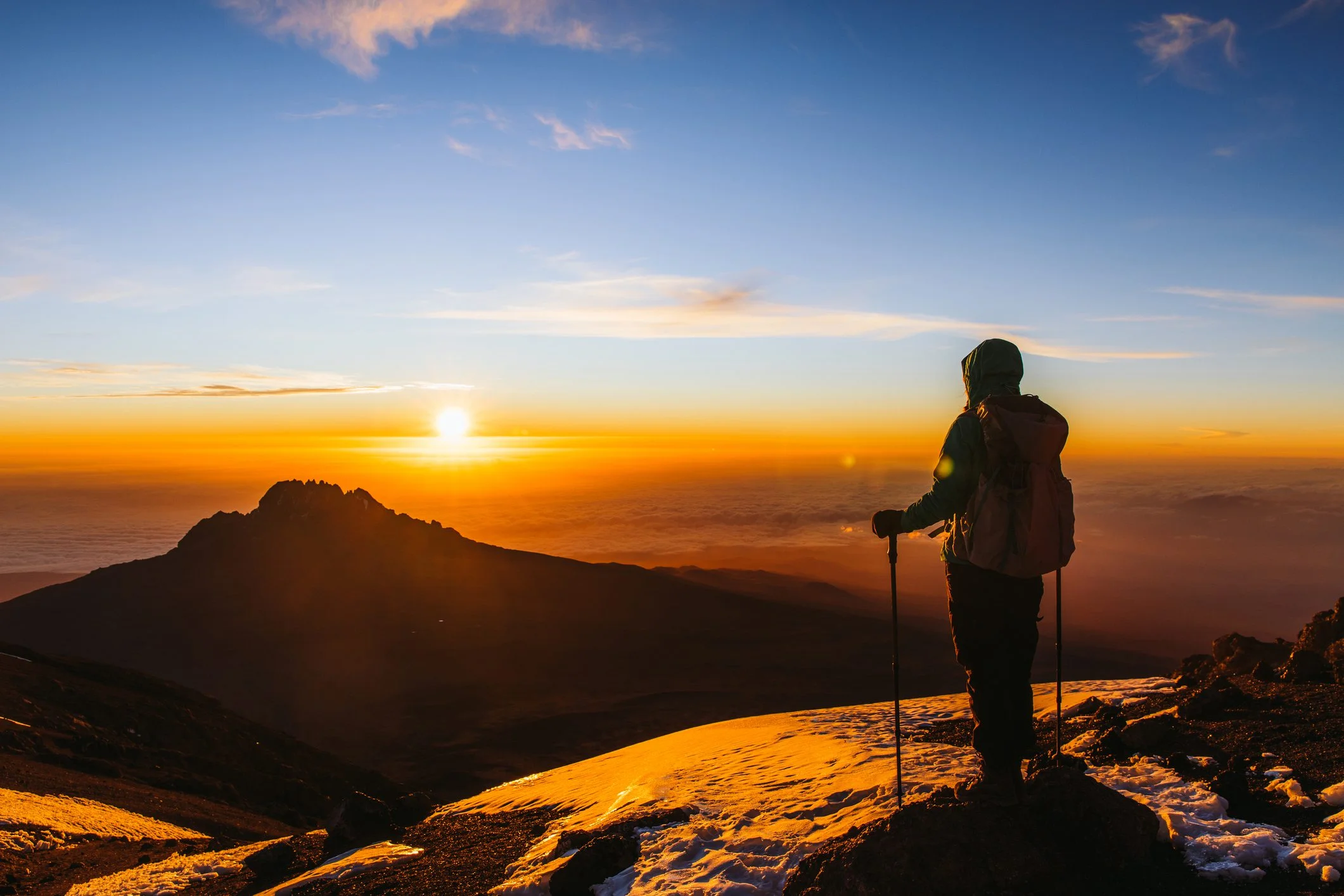
Packing for Kilimanjaro is different from any other trip you have taken. You need to be prepared for temperatures ranging from 30°C at the base to -20°C at the summit, with the possibility of rain, snow, and strong winds all in a single day. Packing the right gear is not just about comfort — it can be the difference between reaching the summit and turning back.
This comprehensive packing list covers every item you need, organised by category. Use the interactive checklist to track your packing progress, and check our gear rental table if you are missing any items.
Interactive Packing Checklist
Tick items as you pack them
Clothing & Footwear
The key to Kilimanjaro clothing is layering. A proper three-layer system lets you adapt to changing temperatures throughout the day. You will start the morning in all your layers, peel down to a T-shirt by midday, and layer back up as the sun sets.
Footwear Essential
Your most important gear choice- Hiking boots — Waterproof, ankle-high, well broken-in. Do not buy new boots for Kilimanjaro. Wear them for at least 4-6 weeks before your climb.
- Hiking socks (4-6 pairs) — Merino wool or synthetic. Never cotton. Merino wicks moisture and prevents blisters.
- Liner socks (3-4 pairs) — Thin synthetic or silk liners worn under hiking socks to reduce friction and prevent blisters.
- Camp shoes / sandals — Lightweight sandals or Crocs for wearing around camp after a long day of hiking.
- Gaiters — Keep scree, mud, and snow out of your boots. Essential for the summit night.
Upper Body Layers Essential
Base, mid, and outer layers- Base layer tops (2-3) — Merino wool or synthetic long-sleeve tops. These sit against your skin and wick moisture away. Merino is naturally odour-resistant and ideal for multi-day use.
- Fleece jacket / mid-layer (1-2) — A 200-weight fleece provides insulation when temperatures drop. A second lighter fleece is optional for varying conditions.
- Insulated down / synthetic jacket — Your primary warmth layer for camp and summit night. Down offers the best warmth-to-weight ratio, but synthetic is better if there is a risk of wet conditions.
- Waterproof shell jacket — Windproof and waterproof outer layer with a hood. This is your defence against rain, snow, and the extreme wind on summit night.
- T-shirts / trekking shirts (3-4) — Lightweight, quick-dry synthetic or merino. Avoid cotton as it stays wet and causes chafing.
Lower Body Layers Essential
Pants, shorts, and rain protection- Base layer bottoms (2-3) — Merino wool or synthetic long johns worn under hiking pants for cold mornings and summit night.
- Hiking pants (2-3) — Lightweight, quick-dry, zip-off convertible pants are the most popular choice. They give you the option of shorts when it gets warm.
- Hiking shorts (2-3) — For lower-elevation daytime hiking when temperatures are warm.
- Waterproof shell pants — Essential for rain, snow, and the windy summit night. Look for a pair with side zips so you can put them on over your boots.
Head & Hands Essential
Heat escapes through your head and fingers- Sun hat / cap — A wide-brimmed hat or baseball cap for sun protection during the day at lower elevations.
- Warm beanie / wool hat — Insulated hat for cold mornings, evenings, and summit night. Merino wool or fleece-lined.
- Balaclava or buff — A multi-purpose face cover for protection against cold wind, sun, and dust. Essential for summit night.
- Thin liner gloves — Merino or silk gloves for light cold and sun protection. You can keep these on while eating or taking photos.
- Thick insulated gloves — Down or synthetic mittens/gloves for summit night. Your fingers are at serious risk of frostbite above 5000m.
Pro Tip: Bring a spare set of base layers and socks in your daypack. If you sweat heavily or get caught in rain, changing into dry layers mid-hike will prevent chilling and hypothermia.
Gear & Equipment
Sleeping Gear Essential
Quality sleep is critical for acclimatisation- Sleeping bag (rated -15°C or lower) — A four-season sleeping bag is non-negotiable. Summit night temperatures can drop to -20°C. Down bags are lighter and more compressible.
- Sleeping bag liner — Adds 5-10°C of warmth and keeps your sleeping bag clean. Silk liners are lightweight; fleece liners add more warmth.
- Inflatable sleeping pad — Your operator provides a foam mat, but an inflatable pad adds significant comfort and insulation from the cold ground.
- Ear plugs — Essential for blocking out snoring tent-mates and camp noise. You will be sharing close quarters.
Bags & Storage Essential
How to organise your gear on the mountain- Main duffel bag (80-100L) — A waterproof or water-resistant duffel for the gear that porters carry. Must be compressible to fit within porter weight limits (15kg).
- Daypack (30-40L) — Your carry-on bag for each day's hike. Needs to hold your water, snacks, extra layers, camera, and rain gear.
- Rain cover for daypack — Even if your daypack is water-resistant, a dedicated rain cover provides essential protection in downpours.
- Dry bags / stuff sacks — For organising gear inside your duffel. Use one for clothes, one for electronics, one for toiletries. Compression sacks save space for bulky items.
- Small daypack liner — A heavy-duty trash bag or pack liner keeps your daypack contents bone dry.
Essential Tech & Accessories Essential
Items that keep you safe and on track- Headlamp + extra batteries — Absolutely essential for summit night when you start hiking at midnight. Minimum 100 lumens. Red-light mode preserves night vision.
- Trekking poles (pair) — Reduce impact on your knees by up to 25%, especially on the steep descent. Collapsible poles are ideal for packing.
- Power bank (10,000+ mAh) — Charging options on the mountain are very limited. A high-capacity power bank keeps your phone and camera charged for the entire trek.
- Camera / phone with camera — The photo opportunities are once-in-a-lifetime. Keep your phone in airplane mode to save battery and store photos on an SD card.
Hydration Essential
Dehydration is a leading cause of altitude sickness- Water bottles (2 x 1L) — Nalgene or similar wide-mouth bottles. You need minimum 3-4L capacity per day. Wide mouths are easier to refill and clean.
- Hydration bladder / CamelBak (2-3L) — Convenient for drinking while walking. Important: the tube will freeze above 4000m. Blow water back into the bladder after each sip.
- Water purification tablets — All water on the mountain is treated, but tablets provide backup. They also improve the taste of treated water.
- Insulated bottle cover — Prevents your water from freezing at high altitudes. A sock works in a pinch!
Remember: Drink at least 3-4 litres of water per day on Kilimanjaro. Proper hydration is one of the most effective ways to prevent acute mountain sickness (AMS).
Health, Hygiene & Medical
Medical & First Aid Essential
Your personal medical kit- Prescription medications — Bring enough for the entire trip plus a few extra days. Keep them in your daypack, not your duffel.
- Diamox (acetazolamide) — A prescription medication that helps prevent and reduce altitude sickness symptoms. Consult your doctor about dosage before your trip.
- Pain relievers (ibuprofen / paracetamol) — For headaches, muscle soreness, and general discomfort. Ibuprofen is also an anti-inflammatory.
- Anti-diarrhoea medication — Stomach issues can happen from changes in diet and water. Loperamide (Imodium) is the standard choice.
- Rehydration salts (ORS) — Sachets that you add to water to replenish electrolytes. Essential if you have diarrhoea or are sweating heavily.
- Blister care kit — Moleskin, Compeed blister plasters, and medical tape. Treat hotspots immediately before they become blisters.
Hygiene & Toiletries Essential
Stay clean and comfortable on the trail- Wet wipes (biodegradable) — Your primary washing method on the mountain. Showers are limited or non-existent on most routes.
- Hand sanitiser (2 x small bottles) — Use before every meal. One in your daypack, one in your tent.
- Toilet paper + waterproof case — Camp toilets are basic and often run out of paper. Keep your own supply dry and accessible.
- Lighter / matches — For burning toilet paper (where permitted) or for your camping stove knowledge. A small Bic lighter weighs nothing.
- Biodegradable soap — For hand washing and cleaning. Must be biodegradable — leave no trace on the mountain.
- Toothbrush & toothpaste — Travel-sized. Keeping up with oral hygiene boosts morale.
- Towel (quick-dry microfibre) — Small, lightweight, and dries fast. Essential for drying off after limited washing opportunities.
Sun Protection Essential
The sun is intense at high altitude- Sunglasses (category 3 or 4) — UV protection is critical above the clouds. Glacier glasses with side shields are ideal. Snow blindness is a real risk.
- Sunscreen SPF 50+ — Apply to all exposed skin, and reapply every 2-3 hours. The sun at 5000m is significantly stronger than at sea level.
- Lip balm with SPF 30+ — Chapped lips are extremely common at altitude. Apply constantly, especially on summit night.
Documents & Money
Essential Documents Essential
Do not leave home without these- Passport — Must be valid for at least 6 months beyond your travel date. Bring 2-3 photocopies stored separately from the original.
- Visa for Tanzania — Available on arrival at Kilimanjaro Airport ($50-$100 USD depending on nationality). Check current requirements before you travel.
- Travel insurance documents — Your policy must cover high-altitude trekking up to 5895m. Print a copy and keep it accessible.
- Emergency contact information — A physical card with your emergency contacts, medical conditions, allergies, and blood type.
- Flight itinerary & booking confirmations — Printed copies in case your phone dies or is lost.
Money & Cards Essential
Cash is king on the mountain- USD cash in small denominations — For tips, souvenirs, and incidentals. Bring $300-$500 in $10, $20, and $50 notes. Crisp, new bills are preferred.
- Tanzanian Shillings — Useful for small purchases in town before and after your climb. Withdraw from ATMs in Moshi or Arusha.
- Credit / debit card — Bring at least two different cards in case one is lost or declined. Visa and Mastercard are the most widely accepted.
- Money belt / hidden pouch — For carrying your passport, cash, and cards securely while travelling.
Optional Items Worth Considering
These items are not essential but many climbers find them useful:
Nice-to-Have Extras Recommended
- Kindle / e-reader — Lightweight and hours of entertainment during rest days in camp.
- Journal & pen — Record the experience of a lifetime. Your future self will thank you.
- Pack of cards / travel game — A great way to bond with your group in the evenings.
- Small binoculars — For wildlife spotting on the approach trail and in the rainforest section.
- Hand warmers — Disposable heat packs for pockets and gloves on summit night.
- Flip-flops / camp Crocs — Let your feet breathe in the evening after a long day of hiking.
- Lightweight trekking umbrella — Some trekkers prefer an umbrella to a rain jacket in the rainforest section. It breathes better and keeps you cooler.
What NOT to Bring
Leave these at home: Jeans or cotton clothing (takes forever to dry and causes chills), heavy toiletries in glass bottles, expensive jewellery, laptop or tablet, sleeping bags rated above 0°C, inflatable pillow (your stuff sack filled with clothes works), and more than 15kg of gear in your duffel (porter weight limit).
Gear Rental Options
If you do not have all the gear, do not worry. Quality rental equipment is available in Moshi. Most items can be hired for approximately $5-$15 per day or for a fixed fee for the entire trek.
| Item | Rental Price (Approx) | Availability |
|---|---|---|
| 4-season sleeping bag (-15°C) | $35-$50 per trek | Excellent |
| Trekking poles (pair) | $15-$25 per trek | Excellent |
| Down / synthetic jacket | $25-$40 per trek | Good |
| Headlamp + batteries | $10-$20 per trek | Excellent |
| Waterproof shell jacket | $20-$35 per trek | Good |
| Waterproof shell pants | $15-$25 per trek | Good |
| Gaiters | $10-$15 per trek | Excellent |
| Hiking boots (broken-in) | $30-$50 per trek | Limited |
| Duffel bag (waterproof) | $10-$20 per trek | Excellent |
| Insulated sleeping pad | $15-$25 per trek | Good |
We recommend bringing your own boots, base layers, and personal medical items. Everything else can be hired in Moshi. Always try rented boots before committing — ill-fitting boots are one of the most common reasons for failing to summit.
Packing Tips from Our Guides
Tip 1: Weigh your bags before you leave. Your porter duffel must not exceed 15kg. Most operators weigh bags at the gate. Excess weight means extra charges or having to leave gear behind.
Tip 2: Keep your summit-night kit accessible. Pack your summit layers (down jacket, thick gloves, balaclava, extra hand warmers) at the top of your duffel for the evening briefing and early morning start.
Tip 3: Test everything before you go. Wear your boots on long day hikes. Set up your headlamp in the dark. Fill your water bladder and check for leaks. There are no gear shops at 4000m.
Tip 4: Pack for the person you will be at the summit. At 5895m you will be cold, tired, and clumsy. Make sure your summit-night gear is easy to put on, with zippers that work one-handed and gloves you can manage.
Kilimanjaro Packing Summary
Packing correctly for Kilimanjaro is one of the most important factors in your summit success. The golden rule: no cotton, lots of layers, and test everything beforehand. Invest in good-quality gear where it matters most — boots, sleeping bag, and your waterproof shell — and rent the rest.
If you have any questions about what to pack, our team is happy to help. We provide every client with a detailed packing consultation before their climb.