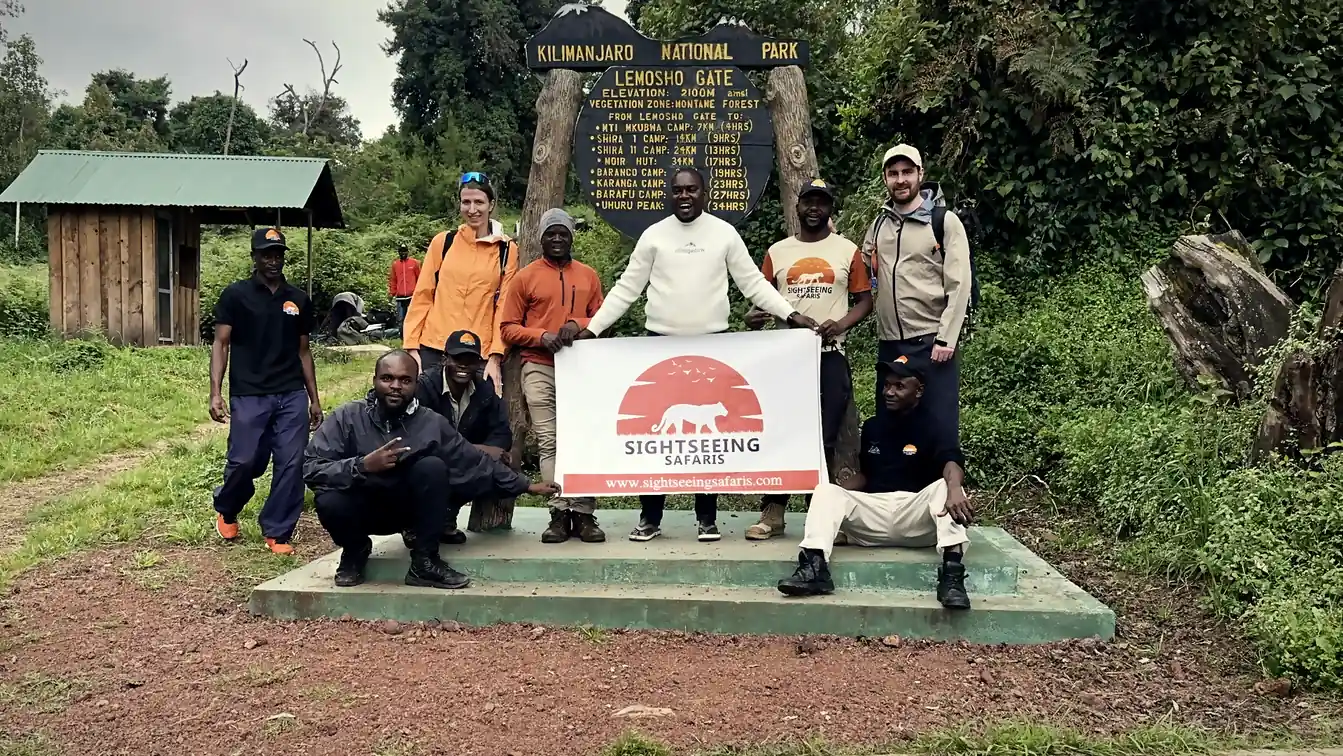
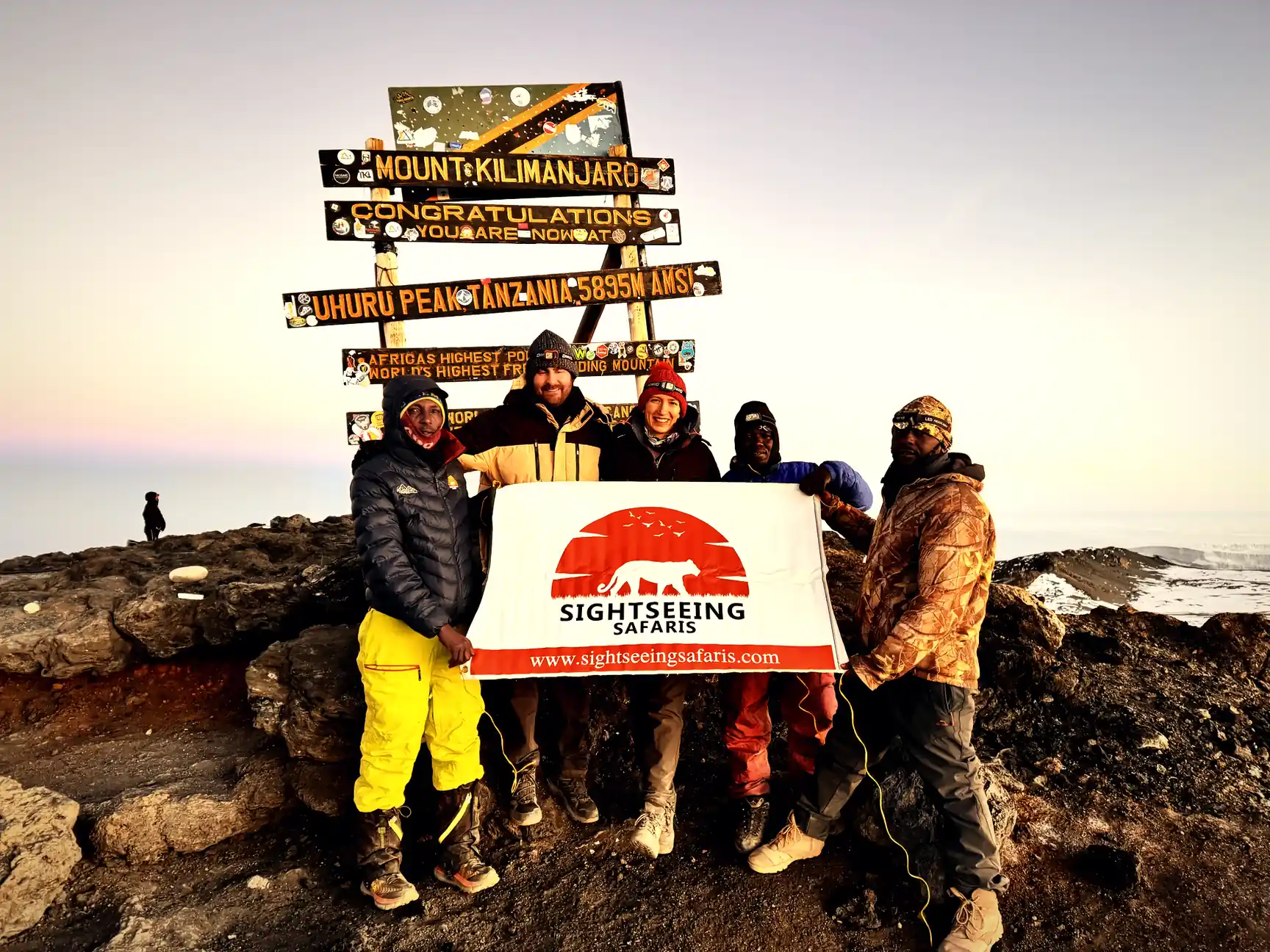
The Rongai Route, located on the eastern side of Mount Kilimanjaro near the Kenyan border, provides a unique and peaceful climbing experience with less crowded trails and distinctive scenery. It takes 6 to 7 days to complete and is particularly recommended during the rainy season in April and May, as this side of the mountain remains dry while the southern and western routes become wet.
Climbers descend via the Marangu Route, and during quieter times, may stay in huts for extra comfort, especially during the rainy season. With a 70% summit success rate, the Rongai Route ranks higher than the Marangu Route. The route provides ample time for acclimatization, thanks to its gentle slopes and steady ascent, making it suitable for climbers of varying fitness levels.
It's also the only route that passes near Mawenzi Peak, offering spectacular views and the chance to see the Kenyan border as you begin your trek. The Rongai Route is highly recommended for charity climbs or unmatched challenges due to its manageable terrain and the opportunity it provides for proper acclimatization.
Itinerary & prices reviewed
Why travellers choose this climb
01
Less Crowded
The Rongai Route is the least crowded of all Kilimanjaro routes, offering a more intimate and peaceful trekking experience.
02
Dry During Rainy Season
The northern side remains dry during April and May when other routes are wet and muddy, making it ideal for rainy season climbs.
03
Mawenzi Peak Views
The only route that passes near Mawenzi Peak, offering spectacular views and unique scenery you won't find on other routes.
04
Great for Beginners
Gentle slopes and steady ascent make it suitable for climbers of varying fitness levels, including beginners to high-altitude trekking.
Day by day
7-Day Rongai Route Kilimanjaro itinerary
9 days · 9 stops · starts in Nalemoru (Rongai) Gate
Day1Arrival in Kilimanjaro
Dinner
Weruweru River Lodge
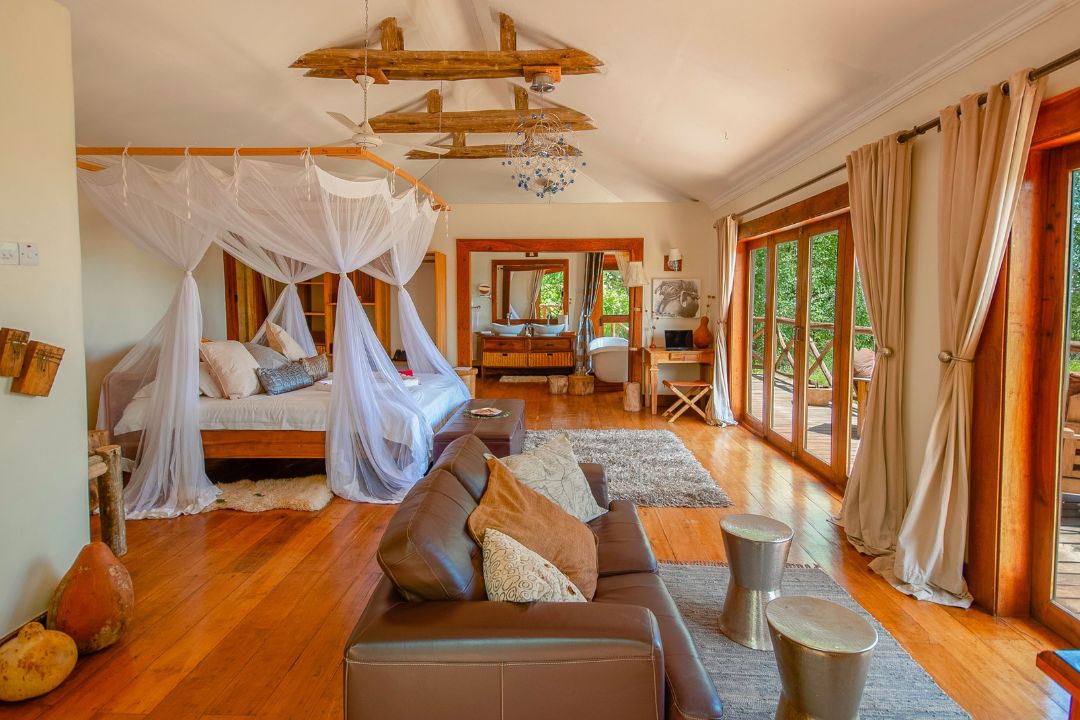
You will be picked up at the Kilimanjaro International Airport (JRO) and transferred to your hotel in Moshi town. Your guide will brief you on your upcoming trek and do an equipment check to make sure you have all the necessary mountain gear. Gear which is missing can be rented on this day.
Day2Nalemoru Gate (1990m) to Simba Camp (2625m)
4-5 hours
2,625 m
Breakfast, Lunch & Dinner
Simba Camp
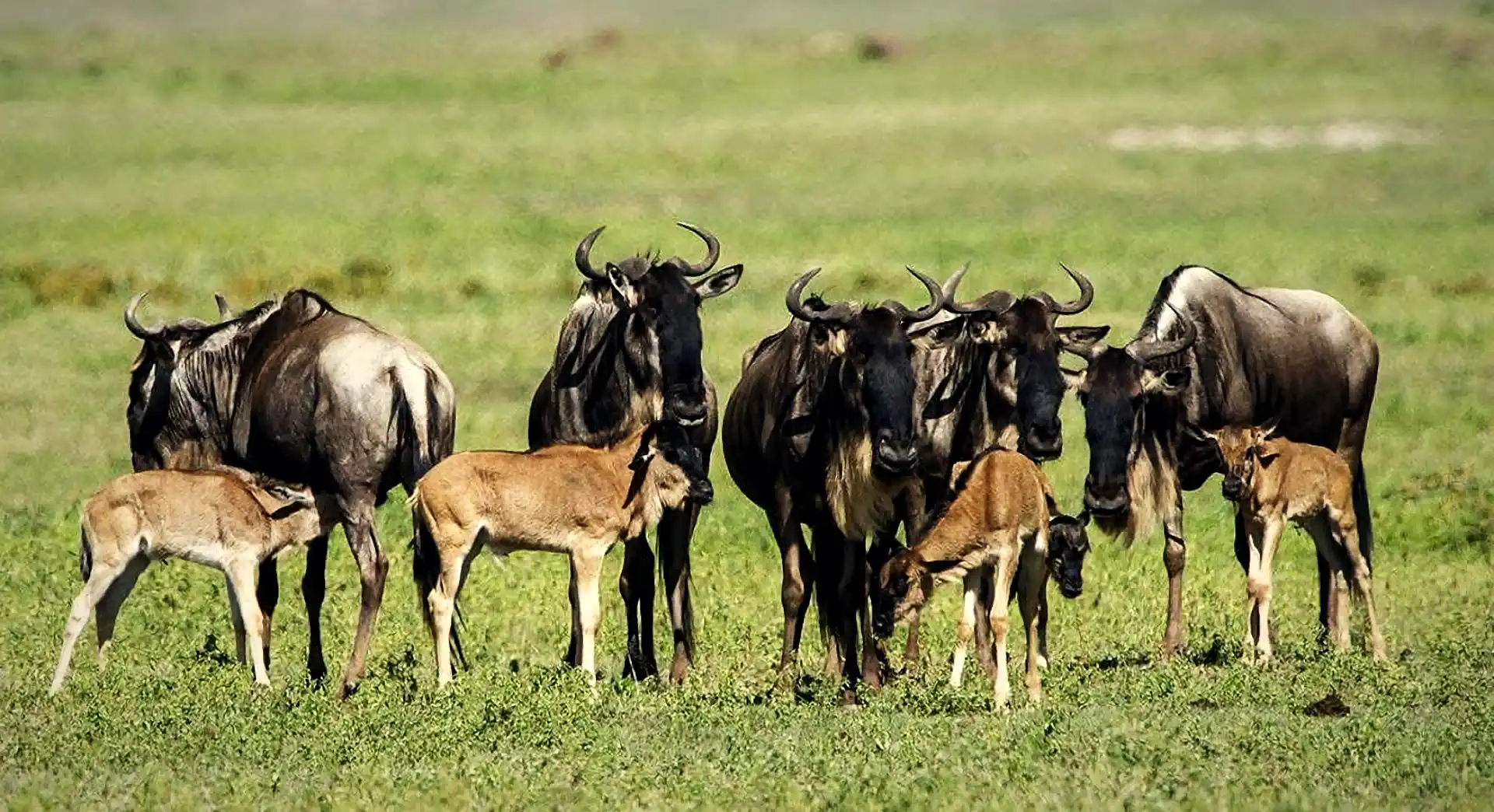
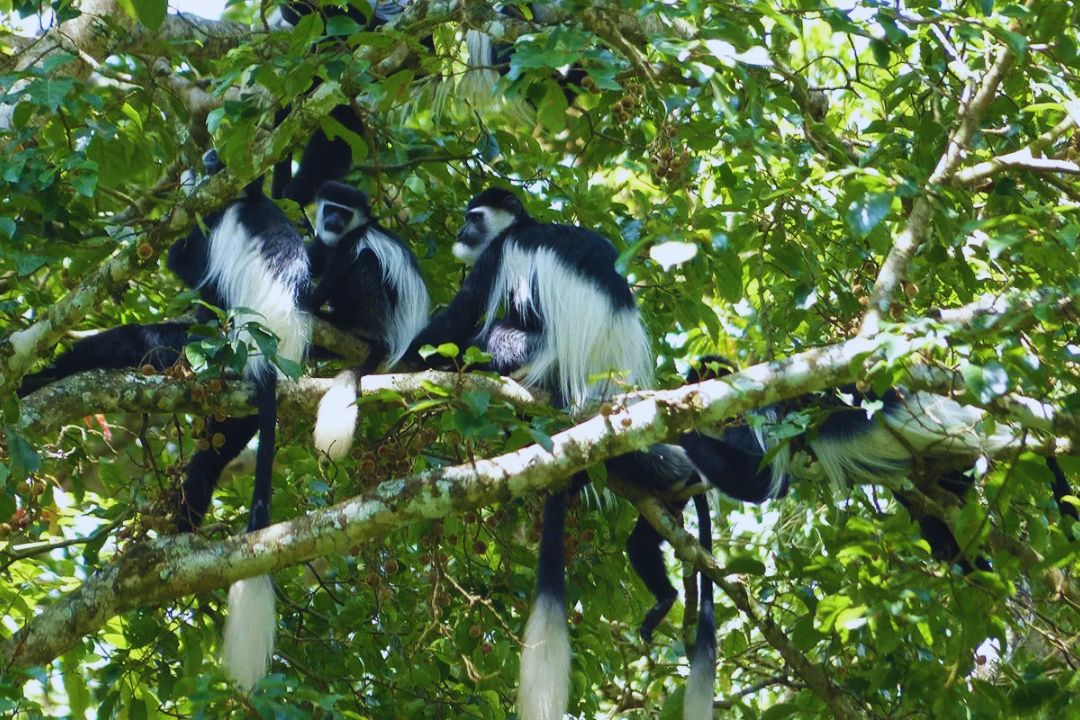
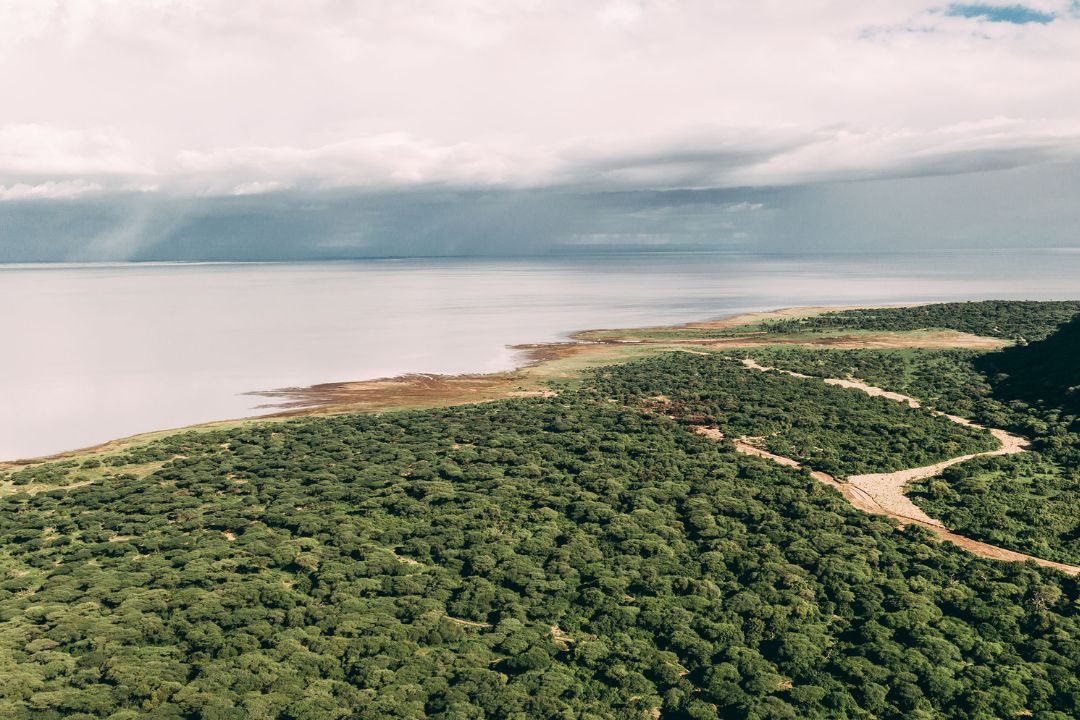
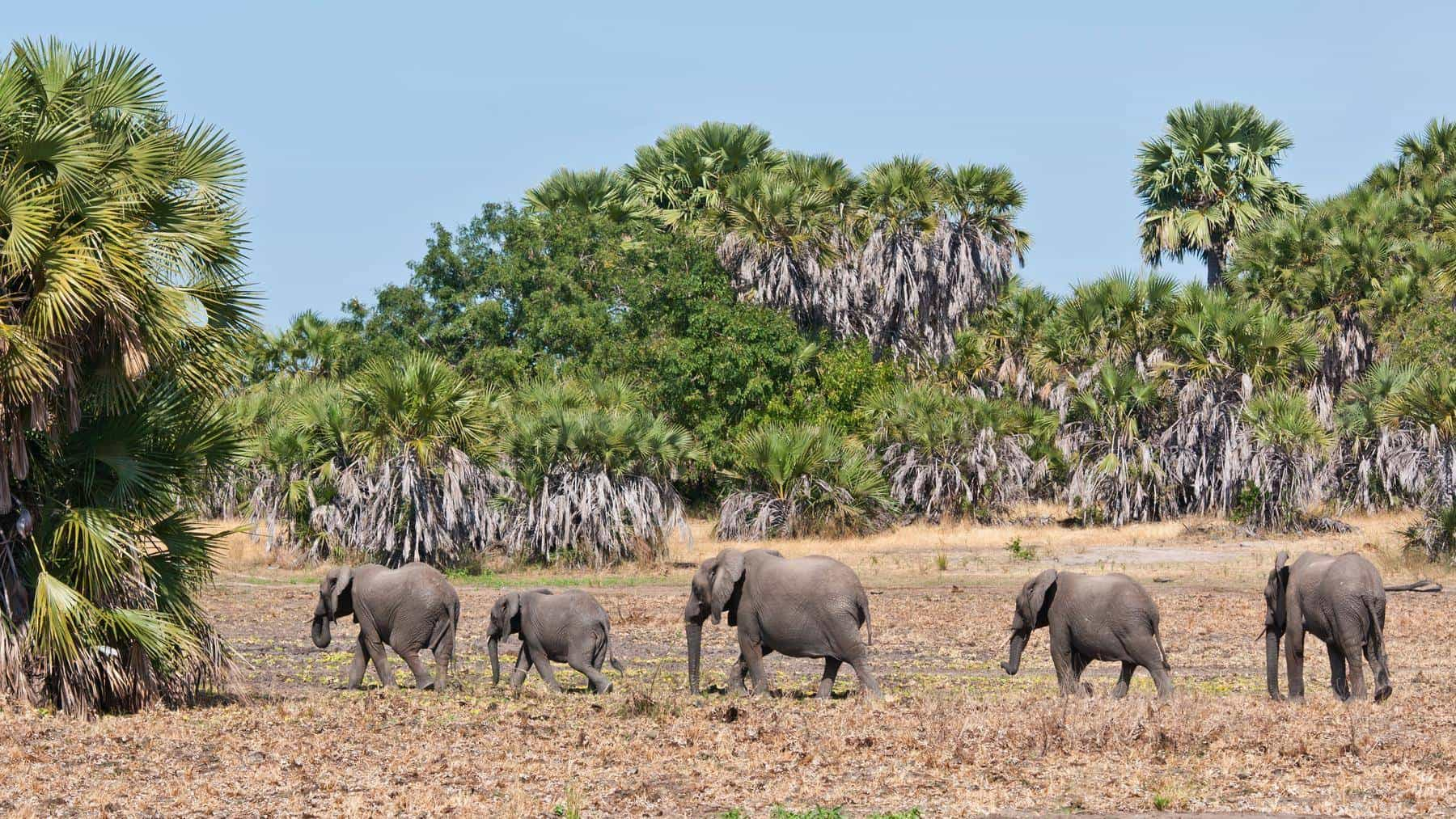
This morning, we will drive to the village of Nale Moru for the starting point of the Rongai route. The first stage of the trek is through farmland and pine forests. You may have chance to see the beautiful Colobus monkeys or if you're lucky enough, elephants or buffalos en route. Our first camp will be the Simba Camp located at the edge of the moorland zone. Distance: 8km / 5mi.
Day3Simba Camp (2625m) to 2nd Cave Camp (3480m)
3-4 hours
3,480 m
Breakfast, Lunch & Dinner
2nd Cave Camp
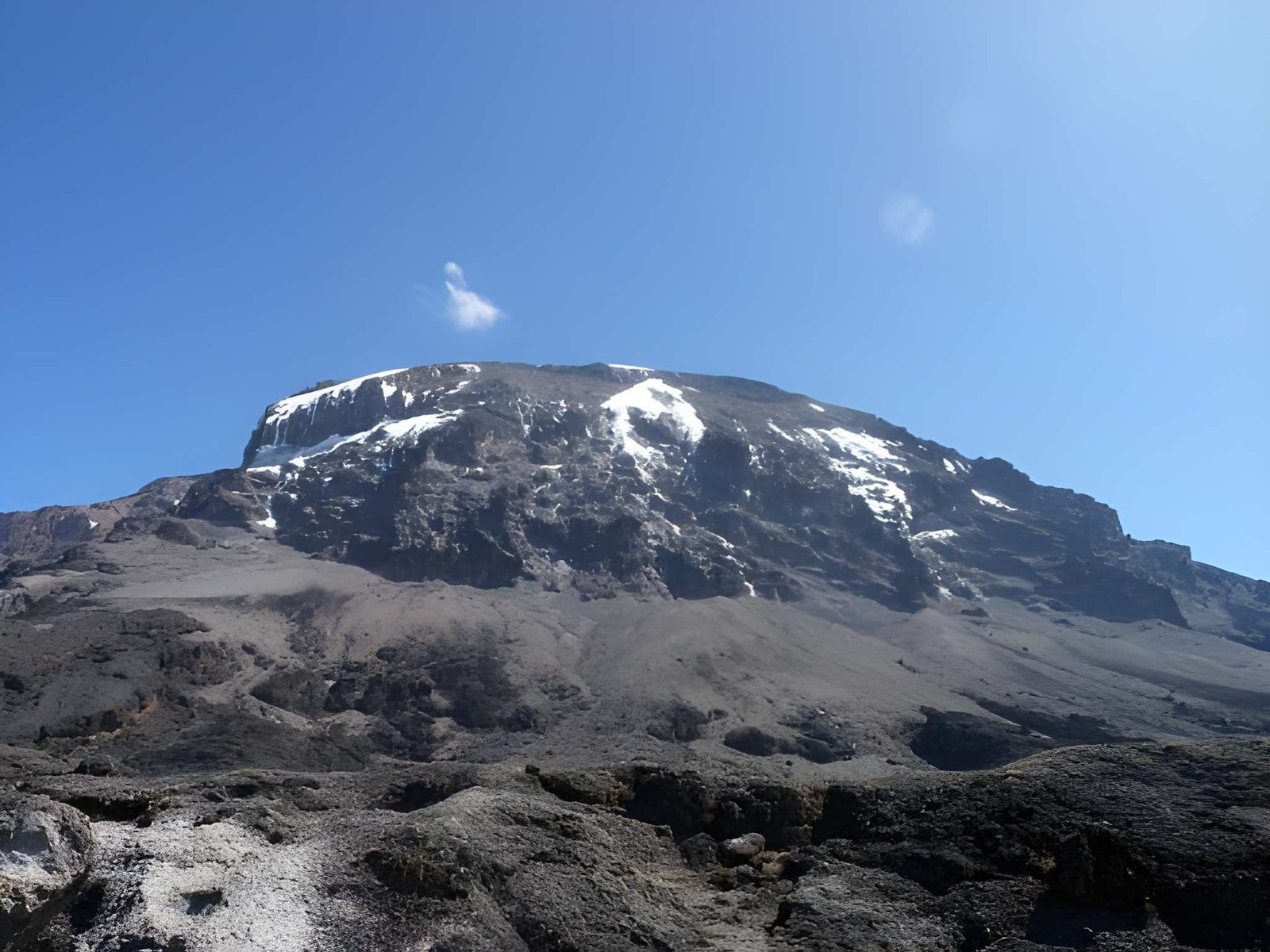
The morning hike is a steady ascent up to the Second Cave Camp located in the moorland zone with superb views of Kibo and the Eastern ice fields on the crater rim. Distance: 5km / 3.1mi.
Day42nd Cave Camp (3480m) to Kikelewa Camp (3630m)
3-4 hours
3,630 m
Breakfast, Lunch & Dinner
Kikelewa Camp
Leaving the pine forest behind we carry on with a steady ascent walking through moorland. There are superb views of the Eastern ice fields on the crater rim of Kibo. We will leave the main trail and strike out across moorland on a smaller path towards the jagged peaks of Mawenzi. We will set up camp today in the sheltered valley near Kikelewa caves. Distance: 5km / 3.1mi.
Day5Kikelewa Camp (3630m) to Mawenzi Tarn Hut (4310m)
4-5 hours
4,310 m
Breakfast, Lunch & Dinner
Mawenzi Tarn
This morning, we have a short but steep ascent up grassy slopes which is rewarded by a superb view of the Kenyan plains to the north. We leave vegetation behind shortly before reaching our next camp at Mawenzi Tarn Hut directly below the towering cliffs of Mawenzi. This afternoon you have chance to rest or explore the surrounding area to aid acclimatization. Distance: 8km / 5mi.
Day6Mawenzi Tarn Hut (4310m) to Kibo Hut (4700m)
5-6 hours
4,703 m
Breakfast, Lunch & Dinner
Kibo Hut
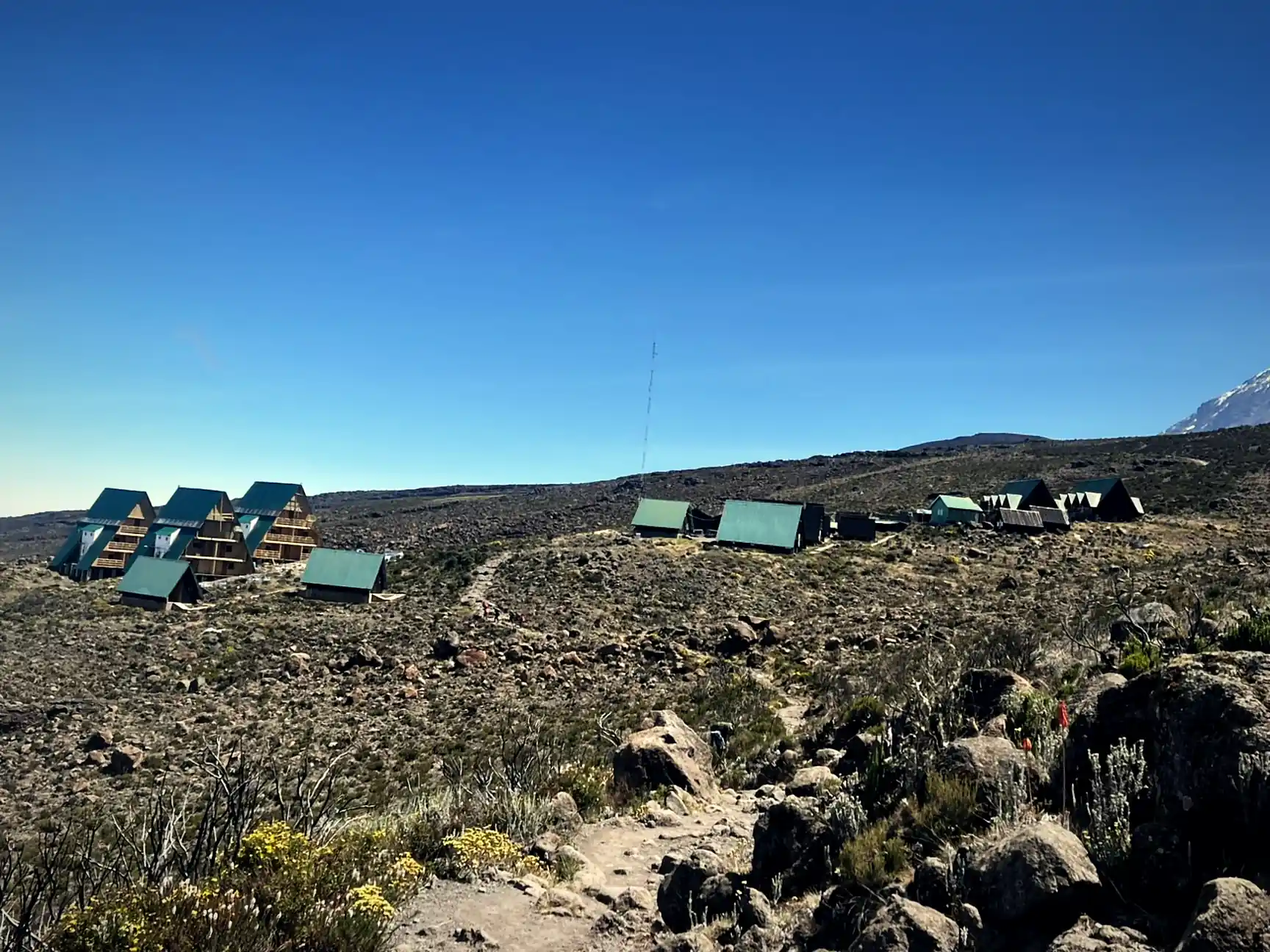
After a good night's rest and breakfast, we set off on our walk to Kibo Hut at 4700m. The climb will take us across desolate scree slopes with no vegetation around us at all. It's a tough steep walk made more difficult by the altitude. On arriving at camp we eat and spend the afternoon resting as we prepare for a long night and day ahead. It is important to keep hydrated and warm. We have an early dinner and then try to get some sleep as we will be getting up at between 11pm and 12pm to start the climb to the summit. Distance: 8km / 5mi.
Day7Kibo Hut (4700m) to Uhuru Peak (5895m) & Horombo Hut (3700m)
12-15 hours
5,895 m
Breakfast, Lunch & Dinner
Horombo Hut
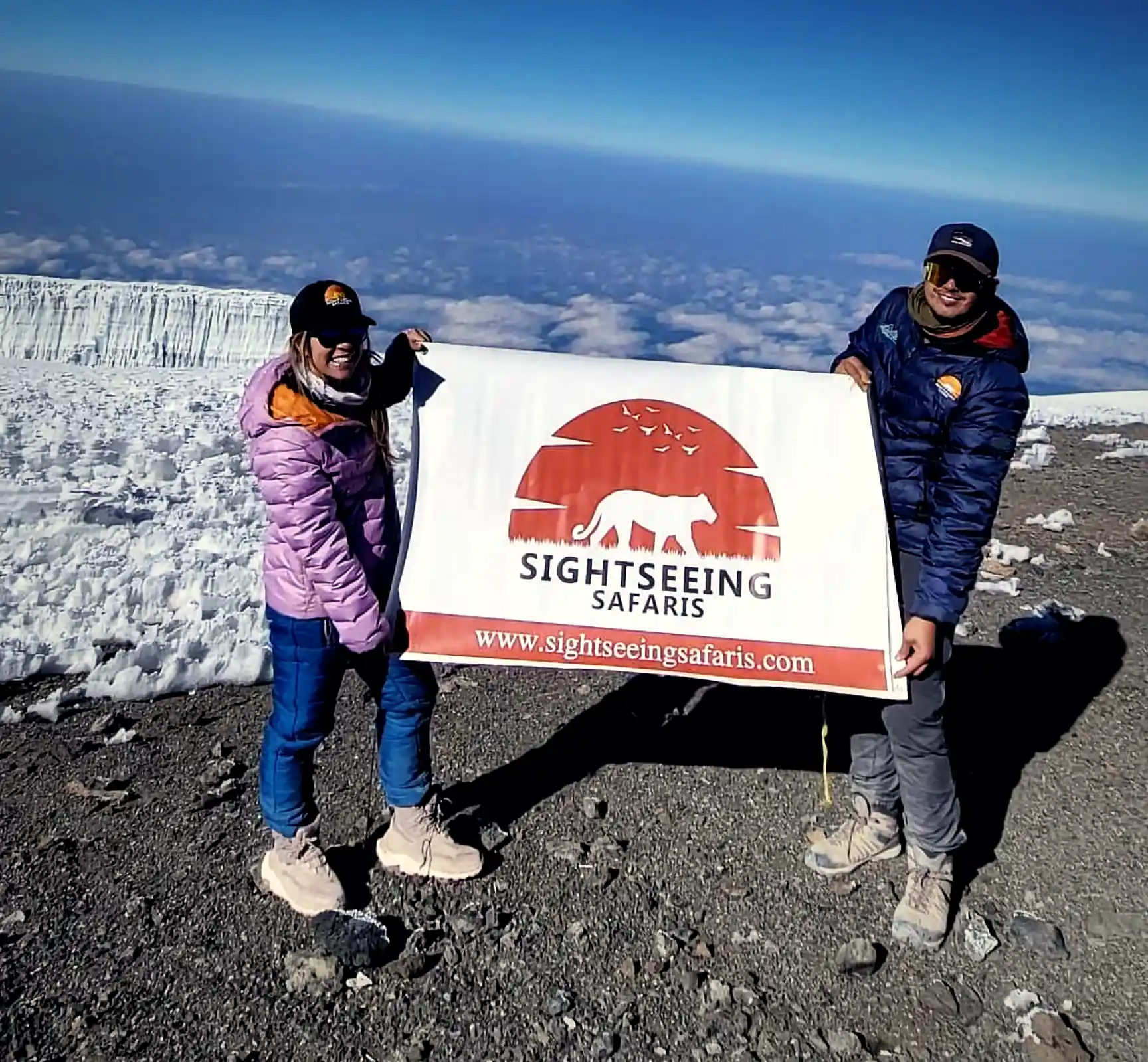
Today is "The Big Day" – the summit stage. You will begin your final ascent around midnight which will be long and strenuous. Passing the Hans Meyer Cave at 5220m, the climb slowly but surely goes upwards. At sunrise, you will reach Gillman's Point (5681m) – the crater rim of Kilimanjaro. After a further hike of 1-2 hours, you will reach Uhuru Peak at 5895m. On your return to Kibo Hut, a warm meal awaits you followed by a 1-2-hour break before proceeding back down to Horombo Hut. Distance: 22km / 13.7mi.
Day8Horombo Hut (3700m) to Marangu Gate (1860m)
7-8 hours
1,843 m
Breakfast, Lunch & Dinner
Weruweru River Lodge
The last stage passes through the heath and moor zone to the Mandara Hut (2700m) where a warm lunch is waiting for you. Soon, you will once again pass the tropical rainforest and after a total time of 6 hours trekking, you will be back at the Kilimanjaro National Park Gate (1860m). After saying goodbye to your mountain guides, a short transfer follows to take you back to your hotel in Moshi. Distance: 20.8km / 12.9mi.
Day9Depart Kilimanjaro
Breakfast
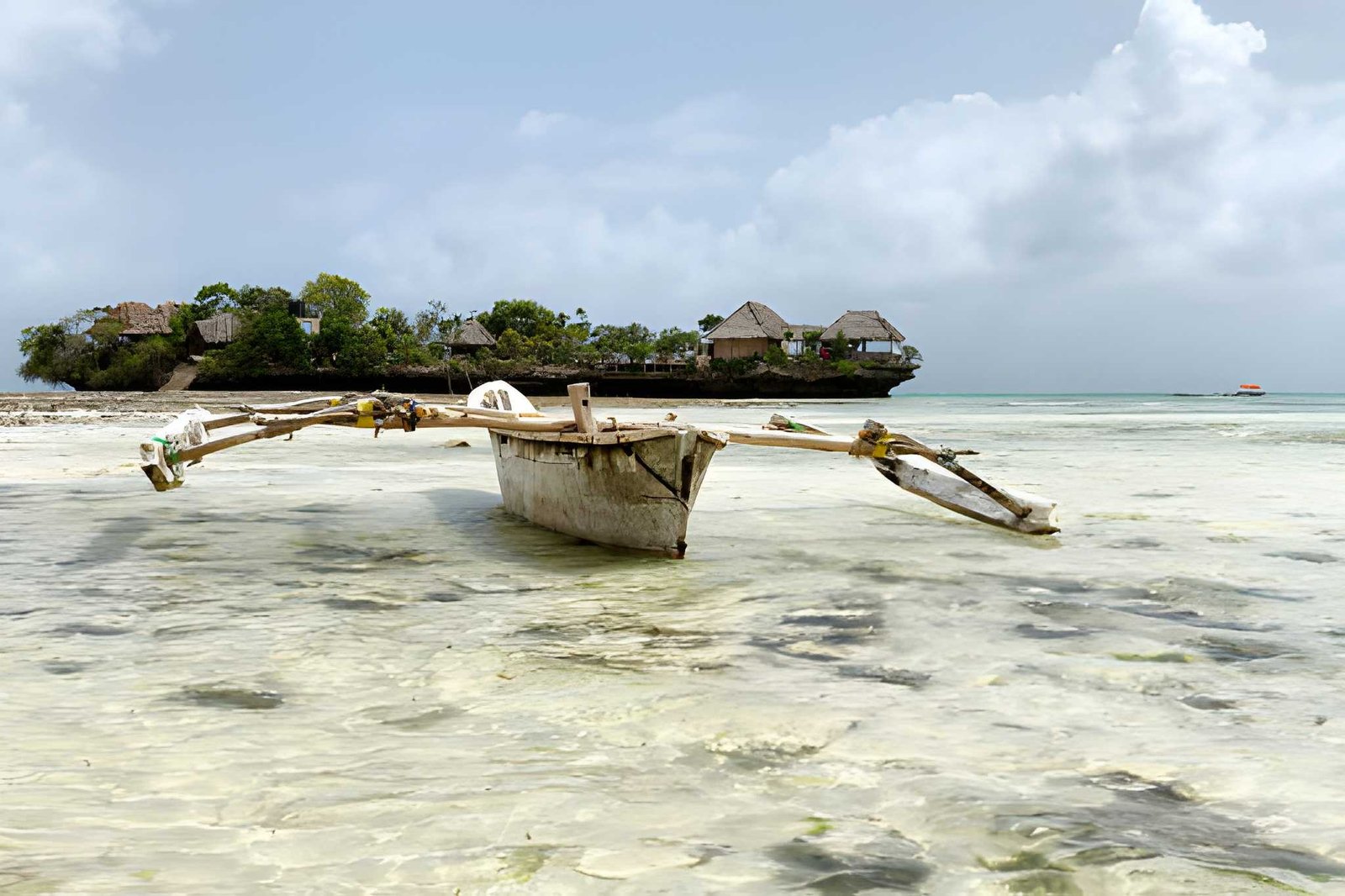
The day is left free to wind down after the trek before your flight home. Depending on flight times you could go and explore Moshi town and grab some souvenirs before heading to the airport. We also welcome you to spare an hour of your day to plant a tree, as part of our environmental conservation efforts in the Kilimanjaro region. Safari and Zanzibar add-ons are available if you wish to continue exploring Tanzania.
Where you sleep
Camps & huts on the mountain
2 nights
Weruweru River Lodge
1 night
Simba Camp
1 night
2nd Cave Camp
1 night
Kikelewa Camp
1 night
Mawenzi Tarn
1 night
Kibo Hut
1 night
Horombo Hut
Rates & inclusions
7-Day Rongai Route Kilimanjaro prices
Per person in US dollars · private tour · switch currency in the header
What's included
Park fees, camping fees & rescue fees
18% VAT on tour fees & services
3 Season Mountain tents (double occupancy)
Sleeping Bag
3-inch-thick foam Sleeping Mat/Pad
Spacious mess tent with all tables and chairs for rest and dining
Transportation to & from the mountain gate
Transportation to and from the airport (JRO Airport)
Professional mountain guides, cooks and porters
Three meals daily while on the mountain
Katadyn filtered water throughout the trek
Hotel lodging the night before and the night after the climb with breakfast and dinner included
Fair wages for the mountain crew as approved by KINAPA and KIATO
Tree donation in support of environmental conservation projects
Supplemental Oxygen tanks & Pulse Oximeter
1 portable flush toilet with a toilet tent for group sizes of 4 and above
Free of charge use of a storage room and a safe room at the lodge
Celebration dinner at the hotel after the trek
Not included
International and Domestic Flights
Visa
Tips to mountain crew (recommended USD 250-350 per participant)
Single supplement – tents are based on double occupancy; a single tent is arranged at an extra charge of USD 20 per day
Rental Gears
Laundry Services
Travel Insurance (Recommended – with medical cover on trekking to altitudes of up to 6000 meters and helicopter evacuation)
1 portable flush toilet with a toilet tent for group sizes less than 4 people
Questions
7-Day Rongai Route Kilimanjaro FAQs
Can't find your answer? Our Moshi-based team replies within 24 hours.
What makes the Rongai Route unique compared to other Kilimanjaro routes?
The Rongai Route starts on the northern side of Kilimanjaro near the Kenyan border. It offers less crowded trails, spectacular views of Mawenzi Peak, and drier conditions during the rainy season.
How long does it take to complete the Rongai Route?
The Rongai Route typically takes 6 to 7 days to complete. The extra day is often recommended for acclimatization, improving the chances of reaching the summit successfully.
What is the success rate of the Rongai Route?
The summit success rate for the Rongai Route is approximately 70%, which is higher than the Marangu Route. The gradual ascent and gentle slopes help with acclimatization.
Is the Rongai Route suitable during the rainy season?
Yes, the Rongai Route is an excellent choice during the rainy season (April and May) because the northern side of Kilimanjaro remains dry, while the southern and western routes tend to be wet and muddy.
Is the Rongai Route good for beginners?
The Rongai Route is suitable for climbers of varying fitness levels, including beginners. Its gentle ascent, manageable terrain, and ample time for acclimatization make it a good option for those new to high-altitude trekking.
Plan this journey
Make it yours
Tell us your dates and group size — we'll confirm availability and send a tailor-made quote for the 7-Day Rongai Route Kilimanjaro.