
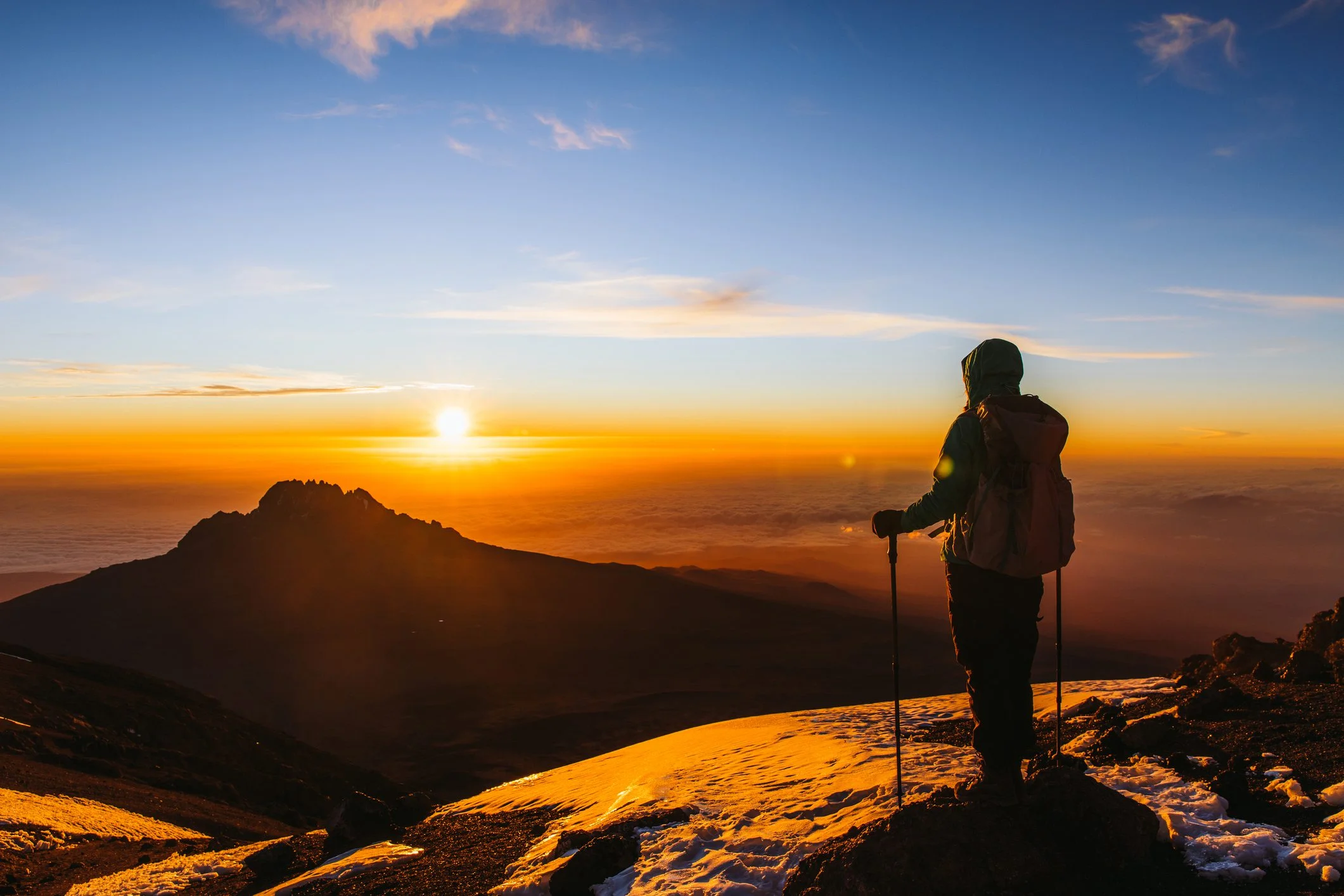
Kilimanjaro stands near the equator, which means there is no summer or winter in the traditional sense. Instead, the mountain experiences two distinct rainy seasons and two dry seasons. The month you choose to climb has a significant impact on your experience — affecting everything from trail conditions and visibility to crowd levels and summit success rates.
This complete month-by-month guide will help you choose the optimal time for your Kilimanjaro climb based on your priorities: best weather, fewest crowds, highest success rates, or budget-friendly options.
Quick answer: The best months to climb Kilimanjaro are January-February and June-October. These months offer the most stable weather, clearest skies, and highest summit success rates. For the best balance of good weather and fewer crowds, consider January-February or September-October.
Kilimanjaro’s Two Seasons
Dry Season
Clear skies, less rain, higher success rates, cooler nights, best summit views. This is peak climbing season.
Long Rainy Season
Heavy rainfall, wet and slippery trails, limited visibility, fewer climbers, lower success rates.
Short Rainy Season
Afternoon showers, greener scenery, fewer crowds, moderate conditions. Can still be a good time to climb.
Month by Month Breakdown
Here is a detailed look at each month, covering weather, temperature, rainfall, crowd levels, and overall recommendation.
January
Dry SeasonFebruary
Dry SeasonMarch
Start of Long RainsApril
Peak Long RainsMay
End of Long RainsJune
Start of Dry SeasonJuly
Peak Dry SeasonAugust
Peak Dry SeasonSeptember
Dry SeasonOctober
End of Dry SeasonNovember
Short RainsDecember
Start of Dry SeasonQuick Comparison Table
| Month | Season | Weather | Crowds | Recommendation |
|---|---|---|---|---|
| January | Dry | Excellent | Moderate | Highly Recommended |
| February | Dry | Excellent | Moderate | Highly Recommended |
| March | Long Rains | Fair | Low | Possible but wet |
| April | Long Rains | Poor | Very Low | Not Recommended |
| May | Long Rains | Poor | Very Low | Not Recommended |
| June | Dry | Excellent | Moderate-High | Highly Recommended |
| July | Dry | Excellent | Very High | Excellent but crowded |
| August | Dry | Excellent | Very High | Excellent but crowded |
| September | Dry | Excellent | Moderate | Highly Recommended |
| October | Dry | Very Good | Moderate | Very Good |
| November | Short Rains | Fair | Low | Possible with good prep |
| December | Start of Dry | Good | High | Good but book early |
Best Route for Each Season
Some routes perform better than others depending on the season. The northern side of the mountain receives less rainfall, making certain routes better choices during the rainy months.
| Season | Recommended Routes | Why |
|---|---|---|
| Dry Season (Jan-Feb, Jun-Oct) | All routes — Lemosho, Machame, Northern Circuit, Rongai, Marangu | Every route is in excellent condition. Choose based on your preferences for scenery, crowds, and duration. |
| Long Rains (Mar-May) | Rongai and Northern Circuit | These routes approach from the north, which receives significantly less rainfall. Still expect wet conditions. |
| Short Rains (November) | Rongai or any route with good preparation | Rain is usually afternoon-only. Most routes are manageable with proper rain gear. Rongai remains the driest option. |
Choosing Based on Your Priorities
Best Weather & Highest Success Rates
If your priority is the best possible weather and maximum chance of reaching the summit, climb in January, February, June, July, August, or September. These months offer the most stable conditions, clearest skies, and lowest chance of rain. Summit success rates during these months average 85-90% across all routes.
Fewest Crowds
If you prefer a quieter experience with fewer trekkers on the trail, consider the rainy seasons (March-May, November) or the shoulder months of October or December. March and November offer a compromise — moderate rain but significantly fewer people. January-February and September are also less crowded than the peak summer months of July-August.
Lower Budget / Discounts
Many operators offer discounts of 15-30% during the low season (March-May and November). If you are on a tight budget and do not mind the possibility of rain, climbing in these months can save you hundreds of dollars. Your summit success rate will be lower, but the experience is still rewarding.
Best Scenery & Photography
For the clearest views of Kibo and the surrounding landscape, the dry season months of January-February and June-September are ideal. The skies are clearest in the early morning. For lush green scenery and blooming wildflowers, climb at the end of the rainy season in May or June — the lower slopes are incredibly vibrant.
Insider tip: Many experienced climbers consider September the best month overall. You get the excellent weather of the dry season but with fewer crowds than July and August. The wildlife on the lower slopes is also more active as the dry season progresses.
Weather on the Mountain: What to Expect
Regardless of when you climb, Kilimanjaro’s weather is highly variable and changes dramatically with elevation. Here is what to expect at different altitudes:
- Base (1,800m / Moshi): 25-30°C year-round. Warm and humid in the rainy season.
- Rainforest (1,800m - 3,000m): 15-25°C. High humidity. Rain is common even in the dry season.
- Heath & Moorland (3,000m - 4,000m): 10-20°C days, 0-5°C nights. Windy and exposed.
- Alpine Desert (4,000m - 5,000m): 5-15°C days, -5 to -10°C nights. Intense sun, freezing nights.
- Summit (5,000m - 5,895m): -10 to -20°C at night. Strong winds. Below freezing at all times.
Important: Even in the dry season, you should expect some rain. The rainforest section receives precipitation year-round. A good waterproof shell jacket and pants are essential no matter which month you choose. Always prepare for wet and cold conditions.
Peak vs Off-Peak: Pros and Cons
Peak Season (Jul-Aug, Dec-Jan)
- Best weather and visibility
- Highest summit success rates
- More social atmosphere on trail
- Full operator availability
- Higher prices
- Crowded trails and campsites
- Need to book 6-12 months in advance
Off-Peak Season (Mar-May, Nov)
- Lower prices and discounts
- Fewer trekkers on the trail
- Easier permit availability
- Lush green scenery
- More rain and mud
- Lower summit success rates
- Limited visibility at higher altitudes
Monthly Temperature & Rainfall Summary
Temperatures remain relatively stable year-round due to Kilimanjaro’s equatorial location. The main variable is rainfall. Here is the average monthly rainfall at the base of the mountain:
- Driest months: July, August — less than 30mm of rain per month
- Moderate months: January, February, June, September, October — 30-80mm
- Wettest months: April, May — 200-400mm per month
Final Verdict
Best overall: January-February and June-October. Excellent weather, high success rates, and clear summit views.
Best balance: September and January-February. Great weather with fewer crowds than July-August.
Budget option: November and March. Lower prices, fewer people, and manageable conditions with proper preparation.
Avoid if possible: April and May. Heavy rain, low success rates, and limited visibility make these the least favourable months.
Ultimately, Kilimanjaro can be climbed successfully in any month. Thousands of people reach the summit every month of the year, including the rainy season. The most important factors for success are proper preparation, choosing the right route, and having a positive mindset — all of which are within your control regardless of the calendar.