
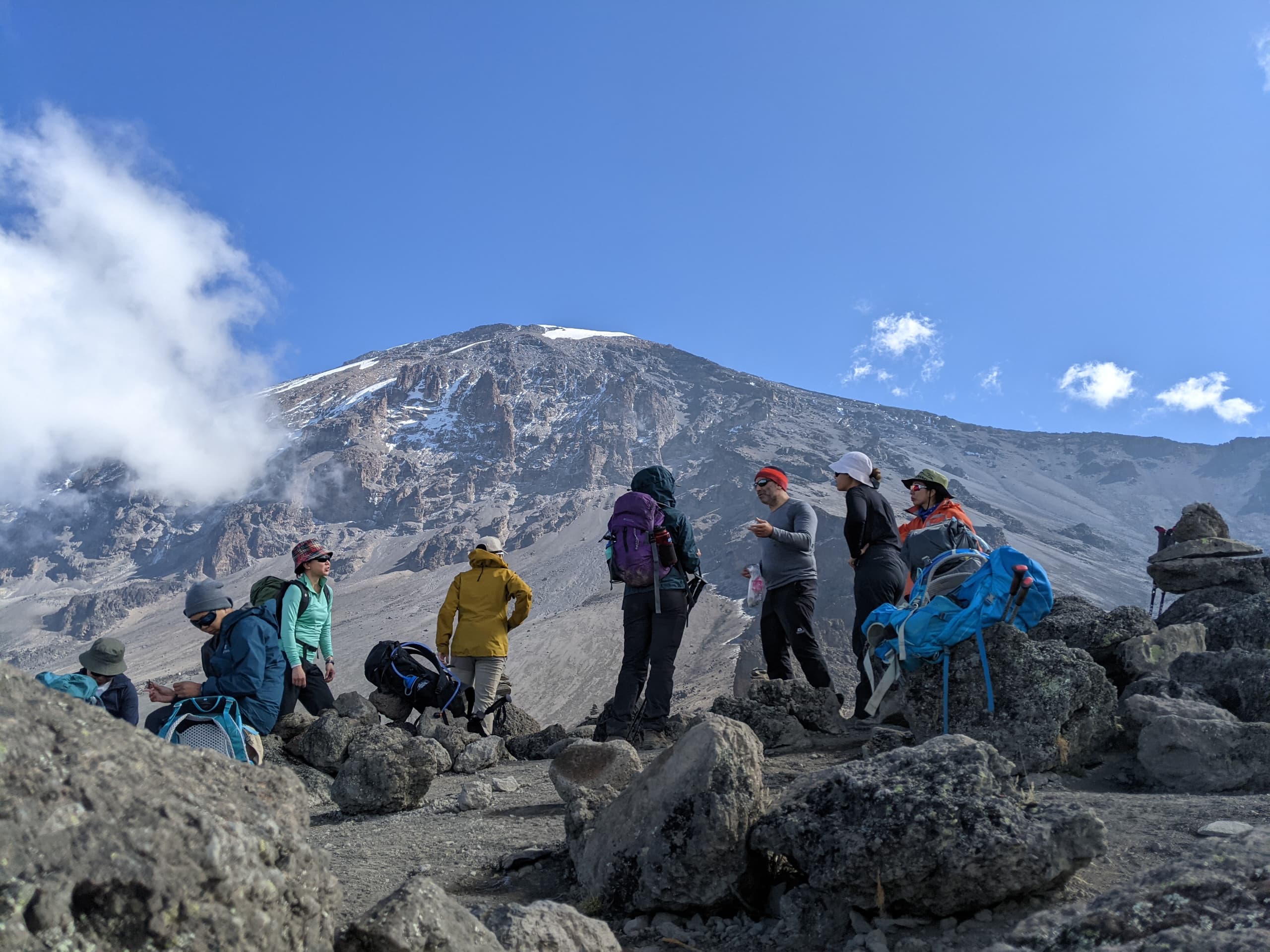
One of the most common questions first-time Kilimanjaro climbers ask is: “What will I eat on the mountain?” The answer might surprise you. While you will not get fine dining at 4,000m, the food on Kilimanjaro is far better than most people expect — hot, freshly cooked, varied, and plentiful.
A dedicated camp cook prepares every meal from scratch using fresh ingredients carried up the mountain by porters. Each day you will enjoy porridge and eggs for breakfast, sandwiches and fresh fruit for lunch, and a hot three-course dinner in the mess tent. With the right approach to eating and drinking, you will have the energy you need to reach Uhuru Peak.
This guide covers everything you need to know about food and hydration on Kilimanjaro — from what is served at each meal to how water is treated, tips for eating at altitude, traditional Tanzanian dishes you might encounter, and how we handle dietary requirements.
Did you know? The average climber burns 4,000–6,000 calories per day on Kilimanjaro. Your body needs consistent fuel. Our cooks prepare hearty, carbohydrate-rich meals designed to give you sustained energy for each day’s hike.
Daily Meal Structure
Each day follows a consistent meal schedule, with hot food served at every meal. Here is what a typical day looks like:
Breakfast
You wake to hot tea or coffee delivered to your tent door (a wonderful morale booster). Breakfast includes porridge (always available), eggs (scrambled, fried, or omelette), sausages or bacon, toast or chapati, fresh fruit, and pancakes on some days. A hearty start is essential before your day of trekking.
Packed Lunch
Your guide carries a packed lunch each day. Typical contents: sandwiches or wraps (tuna, cheese, egg salad), boiled eggs, fresh fruit (apples, oranges, bananas), biscuits or cookies, a juice box, nuts or trail mix, and a chocolate bar. You eat while taking a short break on the trail, often with incredible mountain views.
Afternoon Tea
When you reach camp, you are greeted with hot drinks (tea, coffee, hot chocolate, Milo) and a snack — popcorn, peanuts, cake, biscuits, or fresh doughnuts. This is a welcome ritual that helps you rehydrate, warm up, and recover after a long day of hiking.
Dinner
Dinner is a hot, three-course meal. Start with soup (pumpkin, vegetable, chicken, or leek — the warmth and hydration are excellent after a cold day). The main course features carbohydrates (pasta, rice, potatoes, chapati), protein (chicken, beef, fish, lentils or beans), and vegetables. Dessert is often fresh fruit, custard, or pudding.
Sample Menu: What You Might Eat in a Day
Here is a realistic example of the food you can expect during your climb. Menus vary based on what is available and your cook’s specialities, but this gives you a clear picture:
Pro tip: If you have a favourite meal or comfort food, tell your guide on Day 1. Our cooks love to accommodate special requests when given advance notice. Want pancakes every morning? Just ask.
Meet Your Camp Cook: The Unsung Hero of Your Summit
Your Camp Cook
Every Kilimanjaro expedition has a dedicated camp cook who is responsible for planning, preparing, and serving all meals. These skilled individuals have years of experience cooking at altitude — they understand how your appetite changes, what foods work best above 4,000m, and how to keep morale high through good food. They wake before sunrise to prepare breakfast and are often the last crew member to rest after cleaning up from dinner. Many climbers form a special bond with their cook, who becomes a central figure in the camp experience.
Our cooks are trained in hygiene, nutrition, and altitude cooking. They know that at 4,500m, a warm bowl of soup is more than just food — it is comfort, warmth, and fuel. They take great pride in their work, and it shows in every meal they serve.
What About Snacks?
In addition to the meals provided, we strongly recommend bringing your own favourite snacks. Having something familiar to eat can be a huge morale boost when your appetite is low. Here are popular choices that work well on the mountain:
Energy Bars
Clif, Snickers, protein bars, granola barsNuts & Trail Mix
Almonds, cashews, peanuts, raisins, dried fruitChocolate
Dark chocolate (does not melt), chocolate barsBiscuits & Crackers
Digestives, crackers, rice cakes, pretzelsHard Candy & Gum
Sweets, mints, chewing gum, throat lozengesInstant Drinks
Your favourite tea bags, instant coffee, soup packets, electrolyte powderTanzanian Dishes You Might Encounter
Your camp cook will likely introduce you to some wonderful Tanzanian dishes. These local foods are not only delicious but also well-suited to the energy demands of the climb. Embracing the local cuisine is part of the adventure:
Chapati
Soft, layered flatbread — a staple on the mountain. Eaten with stews, eggs, or on its own. Excellent source of carbs.
Nyama Choma
Grilled meat (goat, beef, or chicken) seasoned simply with salt and lime. A favourite dish that appears at lower camps.
Ugali & Sukuma Wiki
Maize porridge served with sautéed greens. The ultimate Tanzanian comfort food — filling, nutritious, and warming.
Mandazi
Deep-fried, slightly sweet doughnuts. Served as an afternoon tea snack. Light, fluffy, and dangerously addictive.
Ndizi Kaanga
Fried plantains — sweet and savoury. A great carbohydrate source and a popular breakfast side dish on the mountain.
Mchicha
Creamed spinach with coconut milk and spices. A flavourful vegetable dish often served alongside rice or chapati.
Embrace the local food! Tanzanian cuisine is flavourful, hearty, and designed for energy. Your cook takes pride in sharing these dishes with you. Even if you are usually a picky eater, try a little of everything — you might discover a new favourite.
Hydration on Kilimanjaro
Proper hydration is one of the most important factors in preventing altitude sickness and maintaining your energy. Even mild dehydration can accelerate altitude symptoms, slow your pace, and make the climb feel much harder than it needs to be.
How Much Water Do You Need?
You should drink 3–4 litres per day — more on hot days or when you are sweating heavily. A good rule: your urine should be clear or light yellow. If it is dark or you are not urinating every 3–4 hours, you are not drinking enough. Your guide will monitor this and remind you.
How Water Is Treated
All drinking water on Kilimanjaro is treated to ensure it is safe. Our team follows a strict process:
Collection
Water is collected from streams or camp water points by our porters each morning and evening
Boiling
All drinking water is boiled vigorously for at least 5 minutes to kill bacteria, viruses, and parasites
Cooling & Storage
Boiled water is cooled and stored in clean, sealed containers marked for drinking water only
Distribution
Water is poured into your bottles or hydration bladder each morning and evening by your guide
Water tips: Bring a wide-mouth Nalgene bottle (easier to refill and clean) and a hydration bladder for drinking while walking. Add electrolyte tablets to your water — they improve taste and replace minerals lost through sweating. Your water bladder tube can freeze above 4,000m — blow water back into the bladder after each sip to prevent freezing.
Hot Drinks on the Mountain
Tea, coffee, and hot chocolate are available every day and are an important part of the Kilimanjaro experience. Beyond the warmth and comfort, hot drinks provide hydration, a social ritual in the mess tent, and a genuine morale boost. We serve:
- Chai (Tanzanian spiced tea) — black tea brewed with ginger, cardamom, cinnamon, and milk. A camp favourite.
- African coffee — locally sourced, rich, and aromatic. Served black or with milk.
- Hot chocolate & Milo — popular with climbers of all ages, especially in the evenings.
- Ginger tea — excellent for settling stomachs at altitude. Your cook will prepare this on request.
Dietary Requirements & Allergies
We accommodate a wide range of dietary needs. It is essential to inform us of any requirements at the time of booking so our cooks can prepare accordingly and source any special ingredients before the trek begins.
Vegetarian & Vegan
Vegetarian meals are standard and easy to accommodate. Vegan options are available with advance notice — we use plant-based proteins (lentils, beans, chickpeas), coconut milk, and seasonal vegetables. Our cooks are experienced with vegan cooking and will ensure you get enough protein and calories.
Gluten-Free & Coeliac
We can provide gluten-free options including GF bread, pasta, and porridge. Please bring any specific GF snacks you rely on (GF energy bars, crackers), as options are more limited at altitude. We require advance notice to prepare properly.
Food Allergies
We handle nut allergies, lactose intolerance, and other dietary restrictions. Our cooks avoid cross-contamination and clearly label foods. You must declare all allergies at the time of booking and remind your guide at the start of your trek. For severe allergies, bring your own EpiPen and inform the entire crew.
Halal & Other Religious Diets
Halal meat is available on request. We can also accommodate Kosher dietary principles, Jain (no root vegetables), and other religious dietary requirements. Please let us know at least 2 weeks before your climb so we can make proper arrangements.
Eating at Altitude: What to Expect
Your appetite will change as you climb higher. Understanding these changes helps you manage them effectively and keep your energy levels up:
Your Appetite Will Decrease
Above 4,000m, many climbers experience significant appetite loss. This is normal. Eat small portions frequently rather than forcing down large meals. Even if you feel full after a few bites, keep eating little and often throughout the day.
Prioritise Carbohydrates
At altitude, your body uses carbs more efficiently than fats or protein. Focus on pasta, rice, bread, porridge, potatoes, chapati, and biscuits. Save heavy protein and fatty foods for lower elevations when your digestion is stronger.
Eat Before You Are Hungry
At altitude, hunger signals are delayed and suppressed. Eat on schedule even if you do not feel hungry. Your guide will remind you — listen to them. By the time you feel hungry, your energy levels are already dropping.
Summit Night Fueling
On summit night, you will be woken around 11 PM for tea and a light snack before starting your ascent at midnight. Eat even if you have no appetite — you will need every calorie. Pack easy-to-eat snacks in your pockets for the trail.
Stick with Familiar & Mild Foods
Avoid very spicy, greasy, or strongly flavoured foods at altitude. They can upset your stomach. Stick with mild, simple, familiar foods. This is not the time to try new cuisines or experimental dishes.
Bring Comfort Items
A packet of your favourite biscuits, instant soup packets, or a favourite tea bag can make a huge difference to your morale. Small comforts go a long way when you are tired and cold at 4,500m.
Summit Night: A Detailed Timeline
Your summit attempt is the most physically demanding part of the entire climb. Proper fueling before and during this 6–8 hour push is critical. Here is how the food timeline works:
Your guide wakes you with a hot cup of ginger tea or Milo and light biscuits. Eat slowly. Your body needs fuel even if you feel nauseous or nervous.
A small bowl of warm porridge with sugar for quick-release energy. Easy to digest and provides steady carbohydrate release during the first few hours.
Fill your pockets with chocolate, nuts, biscuits, and sweets. You will eat these while walking in the dark. Take small bites every 30–45 minutes.
Short rest at a midway point. Your guide will offer hot tea from a thermos, chocolate, and biscuits. Force yourself to eat even a few bites.
You made it! Break out your summit snacks, take photos, and enjoy a moment of pure triumph. Your guide will share hot tea at the top.
What NOT to Eat or Drink on the Mountain
Avoiding certain foods and drinks is just as important as eating the right ones. Here is what to steer clear of:
- Alcohol: Avoid completely. Alcohol dehydrates you, impairs acclimatisation, disrupts sleep quality, and worsens altitude symptoms. Save the celebration drink for when you return to Moshi — it will taste much better.
- Excessive caffeine: Moderate tea and coffee (1–2 cups per day) are fine, but excessive caffeine contributes to dehydration and can increase heart rate, which is already elevated at altitude.
- Raw or undercooked food: All food on the mountain is thoroughly cooked. Do not eat anything that has not been properly prepared by your camp cook. Avoid salad vegetables that may have been washed in untreated water.
- Large amounts of dairy: At altitude, many people develop temporary lactose intolerance. Moderate your milk, cheese, and cream intake if you notice stomach discomfort or bloating.
- Carbonated drinks: Fizzy drinks can cause bloating, gas, and discomfort at altitude. If you bring soda, let it go flat before drinking.
- Very spicy or greasy food: Your digestive system slows down at altitude. Heavy, greasy, or spicy foods can cause heartburn, indigestion, and nausea.
Important: Your guide and cook are there to help you make good choices. If you are unsure about a food or drink, ask. They have decades of combined experience and know exactly what works best at each elevation.
What to Bring from Home: Personal Food Checklist
While your main meals are provided, these personal items will make your trek more comfortable and ensure you always have something you enjoy eating:
| Category | Item | Tip |
|---|---|---|
| Energy | Energy bars (Clif, Snickers, protein) | Bring 1–2 per day. Choose bars that do not melt. |
| Hydration | Electrolyte tablets / powders | Nuun, Hydralyte, or similar. Improves taste and replaces minerals. |
| Comfort | Instant soup packets | Cup-a-soup or ramen — your cook can prepare with hot water. |
| Energy | Trail mix (nuts, seeds, dried fruit) | High calorie density, lightweight, easy to eat while walking. |
| Comfort | Favourite tea bags / instant coffee | A familiar taste is a huge morale booster at 4,000m. |
| Energy | Dark chocolate | Does not melt at altitude. High energy, mood-boosting. |
| Health | Throat lozenges / hard candy | Cold, dry air irritates throats. Soothes and provides quick sugar. |
| Health | Ginger chews or crystallised ginger | Excellent for settling nausea. A natural altitude remedy. |
| Comfort | Protein or granola bars | Good to have, but prioritise carbs at higher altitudes. |
| Energy | Peanut butter sachets | High protein, easy to add to bread or crackers. |
| Hydration | Water flavour drops (Mio, Crystal Light) | Makes plain water more appealing — you will drink more. |
| Health | Multi-vitamins | Consult your doctor. Can help fill nutritional gaps when appetite is poor. |
Packing tip: Distribute your snacks across your duffel bag and daypack. Keep your summit night snacks in a separate, easily accessible pocket. And remember — porters carry everything, so a few extra bars make no difference to them but a big difference to you.
Food Logistics: How Your Meals Reach the Mountain
Ever wondered how fresh food gets to 4,600m? It is an impressive logistical operation that happens silently every single day:
Before your trek begins, our logistics team shops for fresh ingredients in Moshi markets. Perishables like eggs, vegetables, and fruit are packed carefully in padded containers. Meat is frozen or freshly sourced daily from local butchers. Porters carry all food in waterproof bags, and the cook manages inventory to ensure nothing runs out. Food that does not require refrigeration (rice, pasta, lentils, spices, tinned goods) is carried in large quantities. Fresh items are used first, while non-perishables sustain the second half of the trek.
Fun fact: Eggs can last up to two weeks without refrigeration if they are unwashed (which preserves the natural protective coating). Our porters carry eggs in special padded sacks, and we have never had a broken-egg disaster on any of our treks.
Food Differences by Route
The quality and variety of food is consistent across all our Kilimanjaro routes, but there are some differences worth noting:
| Route | Food Experience |
|---|---|
| Marangu (5–6 days) | Food is prepared in hut kitchens at each camp. More shelter, but less camp atmosphere. Meals are served inside the huts at tables. |
| Machame (6–7 days) | Full mess tent experience with dedicated cook. Known for excellent dinners — longer route means more varied menu rotation. |
| Lemosho (7–8 days) | Our longest route — the kitchen crew has time to prepare more elaborate meals. Extra days mean more fresh ingredients and variety. |
| Northern Circuit (9 days) | The most remote route. Our cooks prepare extra portions and carry more non-perishable supplies. The mess tent becomes a true home. |
| Rongai (6–7 days) | Approaches from the north. Food quality is identical — all our cooks are trained to the same standard regardless of route. |
| Umbwe (6–7 days) | Steeper, shorter route. Food is more focused on quick-energy, easily digestible meals due to the rapid ascent profile. |
The Mess Tent Experience
Meals are served in a spacious mess tent with tables and camp chairs. The mess tent is more than just a place to eat — it is the social hub of camp. After dinner, your guides brief you on the next day’s plan while you sip hot tea. The lantern-lit tent, warm food, and shared stories create a memorable camp atmosphere that many climbers recall as one of the highlights of their trek.
As the wind howls outside and you wrap your hands around a warm mug of chai, surrounded by new friends who share your goal, you will understand why the mess tent is the heart of every Kilimanjaro expedition. It is where bonds form, where fears are shared and calmed, and where summit dreams are discussed over bowls of hot soup.
Our commitment: At Sightseeing Safaris, we believe good food is essential for morale and summit success. Our cooks are trained to prepare nutritious, tasty, and varied meals. If you have any concerns or special requests, we encourage you to discuss them with your guide on Day 1 — we are here to make your experience as comfortable as possible.