
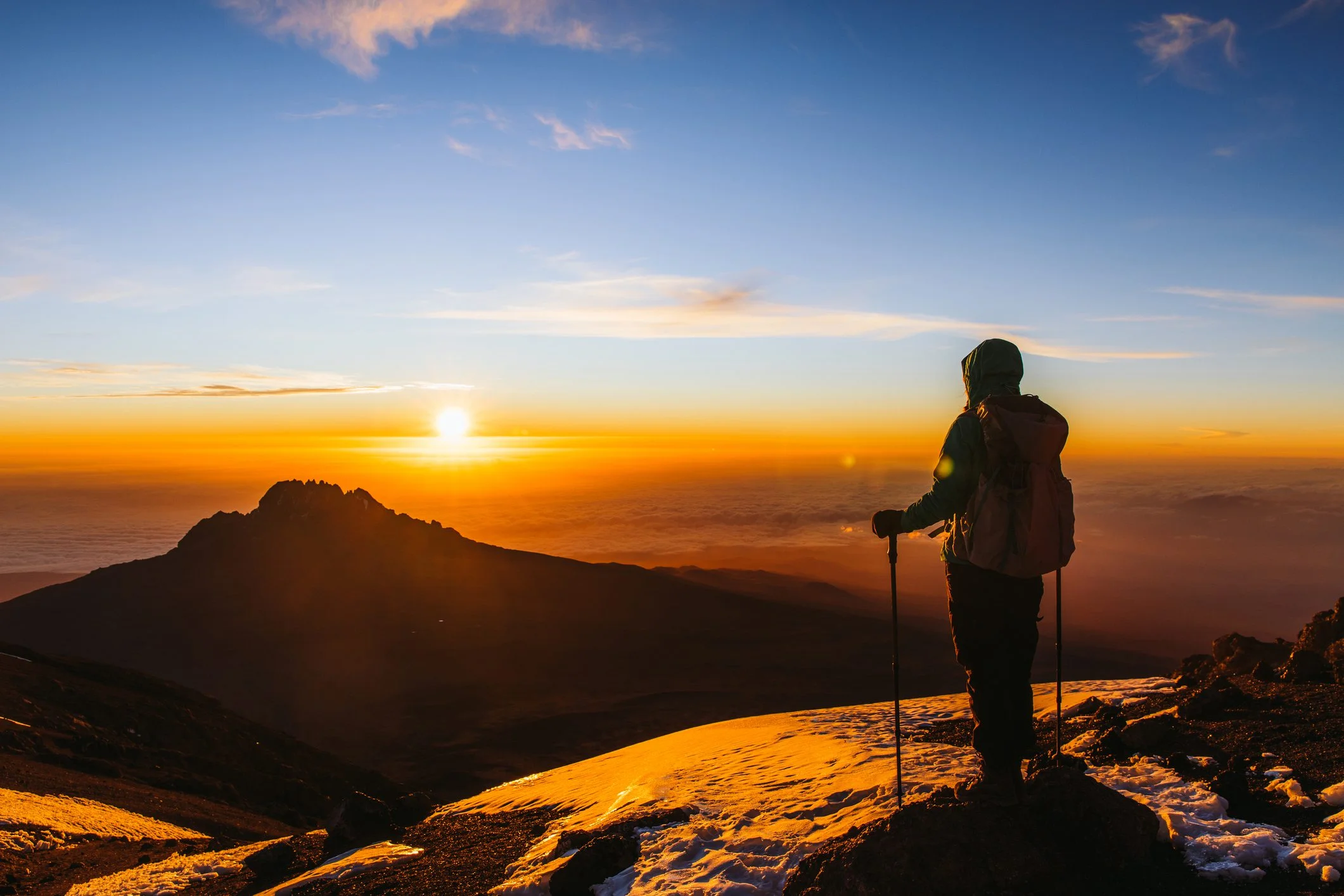
Kilimanjaro is not a technical climb, but it is a physically demanding trek that pushes your body to its limits. At 5895m, the air contains only 50% of the oxygen available at sea level. Your lungs, heart, and muscles will be working far harder than they ever have before. Proper training is not optional — it is one of the most important factors determining whether you reach the summit.
This 3-month training programme is designed by experienced Kilimanjaro guides and fitness professionals. Whether you are a complete beginner or already active, this plan will prepare your body for the challenges of Africa’s highest peak.
Why training matters: Studies show that climbers who complete a structured 12-week training programme are 40% more likely to reach the summit than those who do not. Every step you take in training is a step closer to Uhuru Peak.
What Kilimanjaro Demands From Your Body
Understanding the physical challenges of Kilimanjaro will help you train more effectively. Here is what you are preparing for:
6-9 Hours of Daily Hiking
You will walk for 5-9 hours each day over uneven terrain. Summit night alone takes 6-8 hours up and 3-5 hours down. Your cardiovascular endurance must be excellent.
1,000-1,500m Daily Elevation Gain
Steep ascents and descents on rocky trails require strong legs, stable knees, and excellent balance. Descending is where most injuries happen — your legs need eccentric strength.
Carrying a 5-8kg Daypack
Your daypack carries water, layers, lunch, and gear. Your back, shoulders, and core must be strong enough to carry this load comfortably for hours.
Extreme Temperature Swings
You will hike in hot sun, cold rain, and freezing wind — sometimes all in one day. Your body needs to be resilient and your energy systems efficient.
The 3-Month Training Plan Overview
This programme is divided into three phases, each building on the previous one. Start 12 weeks before your climb date and follow the weekly schedule closely.
Month 1: Foundation & Endurance
Weeks 1-4 — Building your aerobic baseIn the first month, you focus on building a solid aerobic foundation. The key is consistency — exercising 4-5 times per week and gradually increasing duration. Do not push too hard; the goal is to build habits, not break records.
Focus areas: Brisk walking, jogging, cycling, swimming, basic bodyweight strength.
Sample Week — Month 1
| Day | Activity | Duration | Notes |
|---|---|---|---|
| Monday | Brisk walk or light jog | 30-40 min | Maintain a conversational pace |
| Tuesday | Full-body strength | 30 min | Bodyweight squats, lunges, push-ups, planks |
| Wednesday | Cycling or swimming | 40-45 min | Low-impact cardio for recovery |
| Thursday | Rest or light stretching | — | Active recovery, foam rolling |
| Friday | Brisk walk with incline | 40-50 min | Find a hill or use treadmill incline |
| Saturday | Long hike or walk | 60-90 min | On varied terrain if possible |
| Sunday | Rest | — | Complete rest or gentle walk |
Month 2: Building Strength & Stamina
Weeks 5-8 — Increasing intensity and hiking practiceMonth 2 is where training gets serious. You increase the intensity of your cardio sessions, add weight to your strength training, and start hiking with a loaded daypack. Your weekend hikes become longer and more challenging.
Focus areas: Hill hiking with pack, stair climbing, weighted lunges, step-ups, interval training.
Sample Week — Month 2
| Day | Activity | Duration | Notes |
|---|---|---|---|
| Monday | Trail run or jog with incline | 35-45 min | Include hill intervals (30s sprint, 90s recovery) |
| Tuesday | Strength training | 40 min | Weighted lunges, step-ups, deadlifts, calf raises |
| Wednesday | Stair climbing or step mill | 30-40 min | Carry a 5kg pack. Step up and down for full range |
| Thursday | Rest or light swim | — | Active recovery |
| Friday | Strength training | 40 min | Upper body + core focus: pull-ups, rows, planks |
| Saturday | Long hike with 6-8kg pack | 2-3 hours | Find steep terrain. Practice poles if using them |
| Sunday | Rest | — | Light stretching or foam rolling |
Month 3: Peak Conditioning & Simulation
Weeks 9-12 — Race-specific preparationThe final month is about specificity. Your training should closely mimic what you will experience on the mountain: long duration, steep inclines, carrying weight, and hiking on tired legs. Mental preparation becomes as important as physical training.
Focus areas: Back-to-back long hikes, early morning training, altitude simulation, equipment testing.
Sample Week — Month 3
| Day | Activity | Duration | Notes |
|---|---|---|---|
| Monday | Hill hike with 8kg pack | 60-90 min | Steady pace, no breaks except for water |
| Tuesday | Strength + stair climb | 45 min | Stairs with 8kg pack, then leg strength |
| Wednesday | Moderate hike with pack | 60 min | Focus on pace and breathing technique |
| Thursday | Rest or gentle walk | 20 min | Light movement only |
| Friday | Pre-hike prep (light day) | 30 min | Light stretching, gear check, pack prep |
| Saturday | Long hike with 8-10kg pack | 4-6 hours | Simulate a full day on the mountain. Steep up and down |
| Sunday | Recovery hike (back-to-back) | 2-3 hours | Hike on tired legs — this is summit night training |
Types of Training Explained
Here is a deeper look at each type of training and why it matters for Kilimanjaro.
Cardiovascular Training
Your heart and lungs are your most important assets on Kilimanjaro. Cardio training improves your body’s ability to use oxygen efficiently — critical when oxygen is scarce at altitude. Aim for 3-4 cardio sessions per week: brisk walking, jogging, cycling, swimming, or using an elliptical trainer. The best cardio for Kili is hiking uphill with a pack because it is specific to the activity.
Strength Training
Strong legs are essential for powering up steep sections and controlling your descent. Focus on compound exercises: squats, lunges, step-ups, deadlifts, and calf raises. Do not neglect your upper body and core — a strong back and shoulders make carrying your daypack comfortable, and a strong core stabilises you on uneven terrain.
Specific Hiking Practice
Nothing prepares you for hiking like hiking. Find the steepest terrain available near you — stairs, stadium steps, hills, or a treadmill at maximum incline. Practice with your actual daypack loaded to 6-8kg. Use your trekking poles during training so they feel natural on the mountain. Practice the pole-arm rhythm: left pole with right foot, right pole with left foot.
Flexibility & Mobility
Flexibility reduces injury risk and improves recovery. Incorporate 10-15 minutes of stretching after every workout. Focus on: hips (hip flexors, glutes), hamstrings, calves, and lower back. Yoga is an excellent complement to your training programme, improving balance, flexibility, and mental focus.
Most common training mistake: Only training on flat ground. Kilimanjaro is steep — you gain 4,000m in elevation over the trek. If you only walk on flat pavement, your legs will not be ready for the constant incline. Seek out hills, stairs, or set a treadmill to 10-15% incline.
Nutrition for Kilimanjaro Training
What you eat during training directly affects your performance on the mountain. Use these guidelines to fuel your training and prepare your body for the demands of the climb.
Carbohydrates — Your Primary Fuel
Carbohydrates are your body’s preferred energy source for endurance activity. Include complex carbs (oats, brown rice, sweet potatoes, wholemeal bread, quinoa) in every meal. On training days, eat a carb-rich meal 2-3 hours before exercise and refuel within 30 minutes after.
Protein — Muscle Repair & Recovery
Aim for 1.6-2g of protein per kilogram of body weight per day. Good sources: chicken, fish, eggs, Greek yogurt, legumes, and plant-based proteins. Spread protein intake across all meals rather than loading up at dinner.
Iron — Oxygen Transport
Iron is crucial for red blood cell production, which carries oxygen to your muscles — vital at altitude. Include iron-rich foods: lean red meat, spinach, lentils, beans, and fortified cereals. Pair with vitamin C (citrus, bell peppers) to improve absorption.
Hydration — Train Your Gut to Drink
Practice drinking water during your training sessions. On the mountain, you need 3-4 litres per day. Your body needs to adapt to processing that much fluid while exercising. Add electrolytes to your water during long training sessions.
Mental Preparation
Physical fitness gets you to the mountain. Mental fitness gets you to the summit. Kilimanjaro is as much a mental challenge as a physical one — especially on summit night when you are exhausted, cold, and every step feels impossible.
- Practice discomfort: Train in the rain, in the cold, when you do not feel like it. The ability to push through discomfort is a skill you can build.
- Break it down: On the mountain, focus only on the next 100 steps, not the 6 hours remaining. Practice this mindset during long training sessions.
- Visualise success: Spend 5 minutes each day visualising yourself at Uhuru Peak. Imagine how it feels, what you see, and the sense of achievement.
- Develop your “why”: Write down your reason for climbing Kilimanjaro. When you want to give up at 5600m, your “why” will keep you moving.
- Pole Pole (slowly, slowly): This is the mantra on Kilimanjaro. Practice walking at a slow, steady, sustainable pace — the tortoise beats the hare at altitude.
Altitude Awareness
Physical fitness does not prevent altitude sickness, but it helps your body cope with the stress of high altitude. Here is what you need to know:
- You cannot train for altitude unless you live at high elevation. No amount of fitness prepares your body for 50% oxygen saturation.
- Fitness helps you recover between days. Fitter climbers experience less fatigue and recover faster, which helps with acclimatisation.
- Stair climbing is the next best thing to altitude training. The huffing and puffing you experience on steep stairs simulates the feeling of hiking at altitude.
- Know the symptoms of Acute Mountain Sickness (AMS): headache, nausea, dizziness, fatigue. If you experience these during training at sea level, you are pushing too hard — recover and adjust.
Key message: Your training goal is not to become superhuman. It is to make your experience on the mountain as enjoyable and safe as possible. The better prepared you are, the more you will be able to soak in the incredible experience rather than just surviving it.
Pre-Climb Week: Tapering
In the final week before your climb, reduce training volume by 60-70%. Light hiking, stretching, and easy walks are enough. The goal is to arrive at the mountain rested and fully recovered, not tired from training. Use this week to check your gear, organise your packing, and mentally prepare for the adventure ahead.
Equipment to Train With
Use your training period to break in all the gear you will use on the mountain:
- Hiking boots: Wear them on every training hike. Break them in thoroughly to prevent blisters.
- Trekking poles: Practice the correct rhythm and technique. Adjust them to the right height before your climb.
- Daypack: Adjust the straps, hip belt, and load lifters for a comfortable fit.
- Water system: Practice drinking from your hydration bladder and bottles while moving.
- Clothing layers: Test your layering system. Learn what combination keeps you comfortable at different temperatures.