
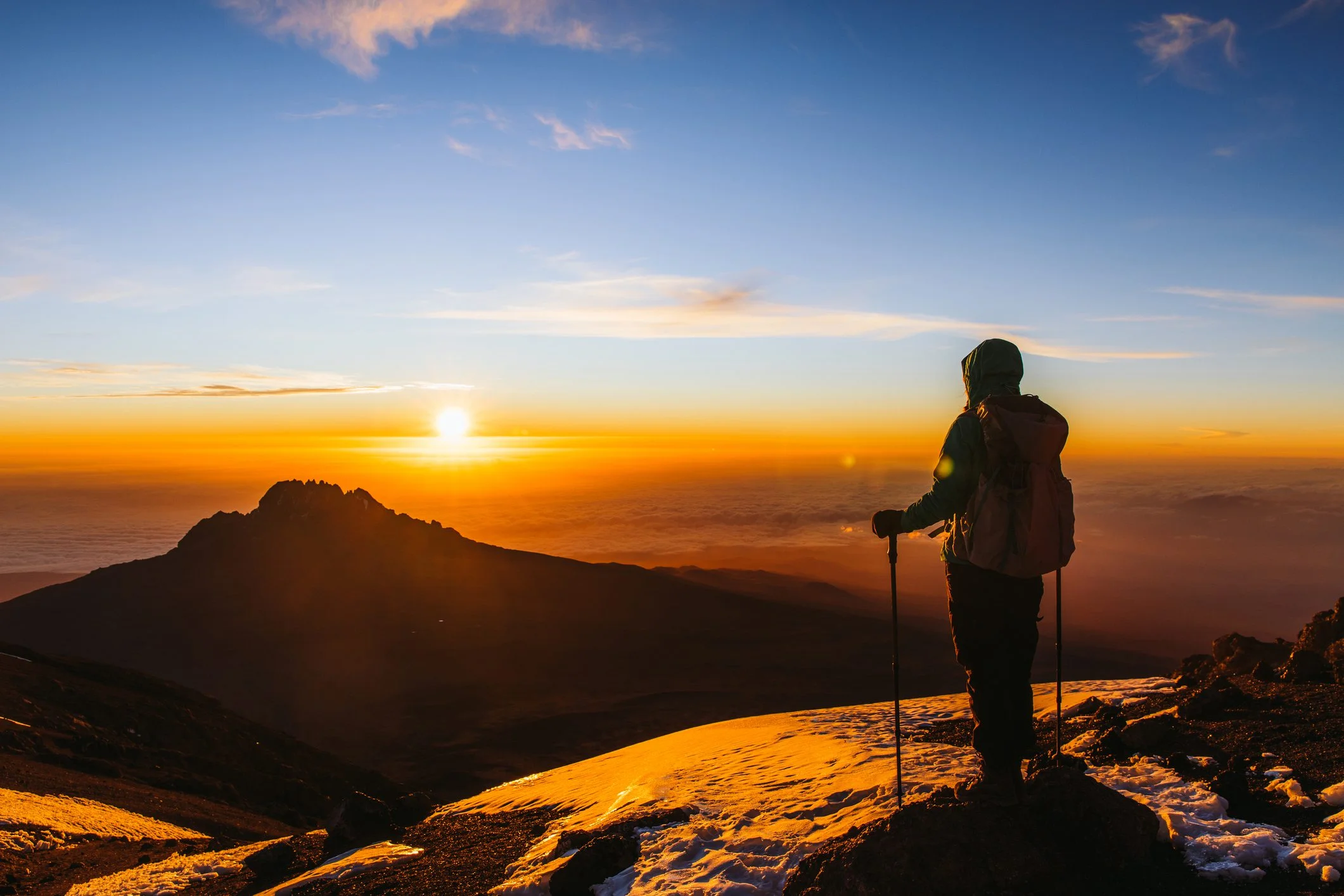
Altitude sickness is the single most significant health risk on Kilimanjaro. Every year, thousands of climbers are forced to turn back due to altitude-related illness. Understanding what happens to your body at high elevation, recognising early warning signs, and knowing how to respond can make the difference between a successful summit and a medical emergency.
This guide covers everything you need to know about altitude sickness on Kilimanjaro — from the science of why it happens to practical prevention strategies and what to do if symptoms strike.
The good news: With proper preparation, a sensible itinerary, and the right knowledge, the vast majority of climbers can avoid serious altitude sickness. At Sightseeing Safaris, our experienced guides are trained to monitor your condition and make safety-first decisions.
What Is Altitude Sickness?
Altitude sickness, also known as Acute Mountain Sickness (AMS), occurs when your body does not have enough time to adapt to the decrease in oxygen at high elevation. At sea level, the air contains about 21% oxygen. At Kilimanjaro’s summit (5,895m), the air still contains 21% oxygen, but the atmospheric pressure is only about 50% of sea level. This means each breath delivers half the oxygen your body is used to.
Your body needs time to produce more red blood cells, increase breathing rate, and make other physiological adjustments to compensate. Climbing too high too fast does not give your body enough time to adapt.
How Elevation Affects Oxygen Levels
Normal oxygen saturation
Your body functions at 100% capacity
Mild altitude effects begin
Slightly increased breathing rate, minor shortness of breath during exertion
AMS threshold
Altitude sickness can begin at this elevation. Some climbers experience mild headache or fatigue.
Moderate altitude
AMS symptoms become more common. Rest days are critical for acclimatisation at this level.
Extreme altitude
Every climber experiences significant oxygen deprivation. Summit night is the most challenging.
The Three Forms of Altitude Sickness
Altitude sickness exists on a spectrum from mild and common to rare but life-threatening. Understanding all three forms is essential for every climber.
Acute Mountain Sickness (AMS)
Mild-ModerateAMS is the most common form of altitude sickness, experienced by 50-75% of Kilimanjaro climbers to some degree. It is essentially a bad hangover at altitude. Symptoms typically appear 6-12 hours after arriving at a new elevation and usually resolve within 24-48 hours if you do not ascend further.
Symptoms: Headache (the most reliable indicator), nausea or vomiting, fatigue and weakness, dizziness, loss of appetite, difficulty sleeping, rapid heartbeat.
What to do: Stop ascending, rest at your current elevation, hydrate well, take ibuprofen or paracetamol for headache, eat light carbohydrate-rich foods. Descend if symptoms worsen or do not improve within 24 hours.
High Altitude Pulmonary Edema (HAPE)
SevereHAPE is a serious condition where fluid builds up in the lungs, preventing oxygen from reaching the bloodstream. It is less common than AMS (affects approximately 1-2% of climbers) but requires immediate medical attention.
Symptoms: Extreme shortness of breath even at rest, persistent cough (may produce pink or frothy sputum), chest tightness or congestion, blue or grey lips and fingernails (cyanosis), crackling sounds when breathing, extreme fatigue and weakness.
What to do: This is a medical emergency. Descend immediately — at least 500-1,000m. Give supplemental oxygen if available. This is the only effective treatment. Never leave someone with HAPE alone. Evacuate to a medical facility as soon as possible.
High Altitude Cerebral Edema (HACE)
Life-ThreateningHACE is the most severe form of altitude sickness, where fluid accumulates in the brain, causing swelling and neurological dysfunction. It is rare (affects approximately 0.1-0.5% of climbers) but can be fatal within hours if not treated.
Symptoms: Severe headache that does not respond to medication, confusion and irrational behaviour (cannot walk straight, disorientation, personality changes), loss of coordination (ataxia) — the single most important sign, hallucinations, loss of consciousness, seizures.
What to do: IMMEDIATE EMERGENCY. Descend NOW. Give supplemental oxygen (2-4L/min). Administer dexamethasone (a steroid) if available. Evacuate by stretcher, helicopter, or any means possible. HACE can progress to death within 12-24 hours without descent.
Golden Rule of Altitude: If you feel unwell at altitude, assume it is altitude sickness until proven otherwise. Never ascend with symptoms. Never leave someone with symptoms alone. The only reliable treatment is descent.
Symptoms Comparison Table
Use this table to quickly differentiate between the three forms of altitude sickness:
| Symptom | AMS (Mild) | AMS (Moderate) | HAPE | HACE |
|---|---|---|---|---|
| Headache | Mild | Moderate-Severe | May be present | Severe, persistent |
| Breathing | Normal | Short of breath on exertion | Short of breath at rest | Irregular |
| Cough | None | None or mild dry cough | Persistent, wet cough | May be present |
| Coordination | Normal | Normal | May be affected | Poor (ataxia) |
| Mental State | Normal | Fatigued | Anxious, distressed | Confused, irrational |
| Response to rest | Improves | May not improve | Worsens | Worsens rapidly |
| Action Required | Rest, hydrate | Do not ascend | Descend immediately | Emergency descent |
Prevention: How to Reduce Your Risk
Prevention is always better than treatment. Here are the most effective strategies for minimising your risk of altitude sickness on Kilimanjaro:
Choose a Longer Route
Routes with more days allow better acclimatisation. The Northern Circuit (9 days) and Lemosho (7-8 days) have the highest summit success rates precisely because they give your body more time to adapt.
Hydrate, Hydrate, Hydrate
Drink 3-4 litres of water per day. Dehydration exacerbates altitude symptoms. Your urine should be clear or light yellow. Add rehydration salts to your water for the first few days.
Pole Pole — Go Slowly
This is the most important Swahili phrase on the mountain. Walk at a slow, steady pace that allows you to hold a conversation. If you are breathing heavily, you are climbing too fast. Let your body set the pace, not your ego.
Sleep Low, Climb High
Each day, climb to a higher elevation but descend to a lower altitude to sleep. This is the most effective acclimatisation technique. It is built into the design of well-planned itineraries on routes like Machame, Lemosho, and Northern Circuit.
Consider Diamox (Acetazolamide)
Diamox is a prescription medication that speeds up acclimatisation by making your blood more acidic, which stimulates faster breathing. It is not a magic pill — it reduces but does not eliminate your risk of AMS. Consult your doctor 4-6 weeks before your climb.
Eat Light, Eat Often
Your appetite decreases at altitude. Eat small, frequent meals rich in carbohydrates (pasta, rice, bread, potatoes, porridge). Carbs are easier to digest and provide quick energy. Avoid heavy, fatty, or spicy foods that may upset your stomach.
Diamox: What You Need to Know
Diamox (acetazolamide) is widely used by Kilimanjaro climbers to prevent and reduce AMS symptoms. Here are the key facts:
- How it works: It inhibits carbonic anhydrase, making your blood slightly more acidic. This stimulates your brain to increase your breathing rate, which improves oxygen exchange in your lungs.
- Dosage: Typically 125mg or 250mg twice daily, starting 24-48 hours before your climb and continuing until you begin descending.
- Side effects: Tingling in fingers, toes, and lips (very common and harmless), altered taste of carbonated drinks (they taste flat), and increased urination.
- Does not cover symptoms: Diamox can mask the early warning signs of serious altitude sickness. You must still be vigilant about monitoring your condition.
- Not a substitute: Diamox is a preventive aid, not a guarantee. Proper acclimatisation and a sensible pace remain the most important factors.
Important: Diamox is a prescription medication. You must consult your doctor or a travel health specialist to determine if it is appropriate for you. It is not recommended for people with sulfa allergies, certain kidney conditions, or pregnancy. Always do a test dose before your trip to assess side effects.
What Your Guide Will Do
At Sightseeing Safaris, our guides are certified in Wilderness First Aid and trained specifically in altitude illness recognition and management. Here is what you can expect:
- Daily health checks: Your guide will check oxygen saturation (SpO2) and heart rate each morning and evening using a pulse oximeter.
- Symptom monitoring: Guides will ask how you are feeling regularly and are trained to recognise the early signs of AMS, HAPE, and HACE.
- Structured rest days: Our itineraries include planned rest days at strategic elevations for optimal acclimatisation.
- Emergency oxygen: Each group carries supplemental oxygen for medical emergencies.
- Evacuation plan: Guides carry satellite phones or radios for emergency communication. Stretcher evacuation and helicopter rescue options are available if needed.
- The ultimate decision: Your guide has the authority to turn you back if they believe you are at risk. This decision is always made with your safety as the absolute priority.
Myths vs Facts About Altitude Sickness
Frequently Asked Questions
Will I definitely get altitude sickness on Kilimanjaro?
Not necessarily. Approximately 50-75% of climbers experience mild AMS symptoms, but the majority manage them effectively through rest and hydration. Severe altitude sickness (HAPE or HACE) is rare, affecting less than 2% of climbers. Proper preparation and a good itinerary significantly reduce your risk.
Can I train to prevent altitude sickness?
You cannot train your body to be immune to altitude, but good cardiovascular fitness helps your body cope with the physical demands of climbing. Stair climbing and hill hiking with a weighted pack are the best types of training for simulating the effort of high-altitude trekking.
How much water should I drink on Kilimanjaro?
Aim for 3-4 litres per day. A good rule is to drink enough that your urine stays clear or light yellow. Your guide will remind you to drink regularly — it is easy to forget when you are focused on hiking.
Should I take painkillers for altitude headache?
Ibuprofen or paracetamol can relieve headache symptoms, but they treat the symptom, not the cause. If you need painkillers for a headache at altitude, it is a sign that you should not ascend further. Never take painkillers and continue climbing — this masks warning signs.
Can I descend on my own if I feel unwell?
You should never descend alone. Always inform your guide immediately if you feel unwell. They will assess your condition and arrange a safe descent with a qualified escort. Descending alone is dangerous — your condition could worsen unexpectedly.
Does alcohol help with altitude?
No. Alcohol dehydrates you, impairs your judgement, and worsens altitude symptoms. It also depresses your breathing, which is the opposite of what your body needs at altitude. Avoid alcohol entirely while on the mountain.
Bottom line: Altitude sickness is a serious but manageable risk on Kilimanjaro. The key is preparation, awareness, and respect for the mountain. Listen to your body, trust your guide, and remember that the summit will always be there — your safety comes first.