
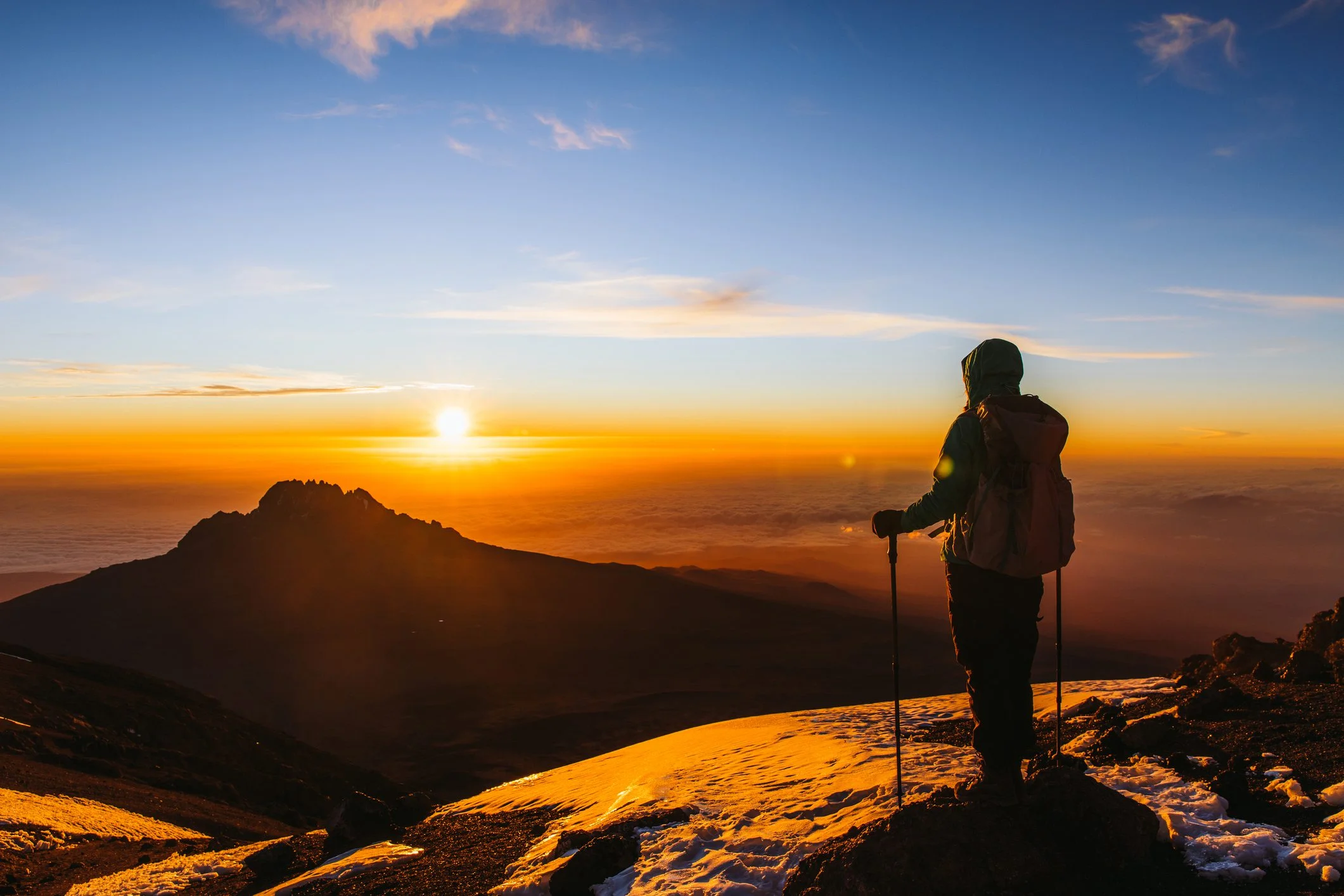
Tipping your Kilimanjaro crew is not just — it is an essential part of the climbing experience and a deeply appreciated gesture that recognises the incredible work your team does to get you safely to the summit and back.
Your crew — guides, assistant guides, cook, and porters — works tirelessly behind the scenes. They wake before sunrise, carry heavy loads up steep terrain, prepare hot meals at 4,500m, and ensure your safety every step of the way. Yet their base pay is modest. Tips make up a significant portion of their income and are a meaningful way to show your gratitude for their dedication and hard work.
This guide provides clear, up-to-date tipping recommendations for Kilimanjaro climbs in 2026. We cover who gets tipped, how much to give each crew member, how to handle the tipping ceremony, budgeting advice, and answers to the most common questions.
Quick answer: For a standard 7-day Kilimanjaro climb, budget $250–$350 per climber for crew tips. This covers your guide, assistant guide(s), cook, and porters. Tipping is typically done as a group at the end of the trek during a ceremony.
Why Tipping Matters on Kilimanjaro
Before we get into the numbers, it is worth understanding why tipping is so important on Kilimanjaro:
- Base pay is low: Porters earn a base wage of approximately $10–$15 per day. Guides earn more but still rely heavily on tips to support their families.
- Tips are expected income: Unlike in some industries where tips are a bonus, for Kilimanjaro crew, tips are a significant and expected part of their total compensation.
- The work is extraordinary: Porters carry up to 20 kg of your gear and supplies at high altitude. They hike the same trail as you, often on less food and sleep. Guides are responsible for your safety, health, and summit success.
- Fair tipping rewards effort: Your cook, porters, and assistant guides each play a specific role. Tipping fairly ensures everyone is recognised for their contribution to your experience.
Good to know: At Sightseeing Safaris, we pay our crew fair wages above the Kilimanjaro Porters Assistance Project (KPAP) recommended minimums. However, tips remain an important part of crew income and a cherished tradition on the mountain.
Who Is on Your Kilimanjaro Crew?
Your crew size depends on the route, duration, and group size. A typical 7-day climb with 4 climbers includes:
Lead Guide
Responsible for safety, navigation, summit strategy, and medical decisions
1 per groupAssistant Guide(s)
Support the lead guide, manage pace, assist climbers, carry supplies
1 per 2–3 climbersCamp Cook
Prepares all meals from scratch, manages food inventory, maintains hygiene
1 per groupPorters
Carry equipment, food, water, and camp gear. Set up and break down camp daily
1 per 1–2 climbersA group of 2 climbers on a 7-day trek typically has a crew of 7–9 people: 1 lead guide, 1–2 assistant guides, 1 cook, and 4–6 porters. Larger groups can have crews of 15–25 people. Each person plays a vital role and should be included in the tip pool.
Recommended Tipping Amounts
Tipping on Kilimanjaro is done per climber, per crew member, per day. Here are the recommended minimum amounts per day for each role. These are industry-standard guidelines used by most reputable trekking operators:
| Crew Member | Recommended Per Day | 7-Day Total (per person) | 7-Day Total (whole crew) |
|---|---|---|---|
| Lead Guide | $20–$25 per day | $140–$175 | $140–$175 |
| Assistant Guide | $12–$18 per day | $84–$126 | $168–$252 (for 2) |
| Cook | $10–$15 per day | $70–$105 | $70–$105 |
| Porters (per porter) | $6–$10 per day | $42–$70 | $210–$420 (for 5–6) |
| Total Per Climber | — | $336–$476 | $588–$952 |
Important: These are per climber amounts. If you are in a group, each climber contributes these amounts, and the total is pooled and distributed among the entire crew. The totals in the last column show what the whole crew receives from a single climber over 7 days.
Quick Reference: Total Tips by Climb Duration
Here is a summary of what each climber should budget in total for crew tips, based on climb length:
Tipping by Route: What to Budget
Different routes have different lengths and crew sizes. Here is a route-by-route breakdown of recommended tips per climber:
| Route | Days | Typical Crew Size | Tip Per Climber |
|---|---|---|---|
| Marangu | 5 days | 6–8 people | $180–$260 |
| Marangu | 6 days | 7–9 people | $200–$300 |
| Machame | 6 days | 7–10 people | $220–$320 |
| Machame | 7 days | 8–10 people | $250–$350 |
| Lemosho | 7 days | 8–11 people | $250–$350 |
| Lemosho | 8 days | 9–12 people | $280–$400 |
| Northern Circuit | 9 days | 10–14 people | $300–$450 |
| Rongai | 6 days | 7–9 people | $200–$300 |
| Rongai | 7 days | 8–10 people | $250–$350 |
| Umbwe | 6 days | 7–9 people | $220–$320 |
| Mawenzi Peak | 7 days | 8–10 people | $250–$350 |
When and How to Tip: The Tipping Ceremony
Tipping on Kilimanjaro is traditionally done at the end of the trek during a special ceremony. Here is how it typically works:
Discuss as a Group
On your last evening or during the descent, your lead guide will let you know the exact crew size. Discuss with your group what each person would like to contribute and agree on a total tip amount.
Prepare the Cash
Tips are given in cash, preferably in US dollars. Tanzanian shillings are also accepted. Withdraw cash in Moshi before the climb — there are no ATMs on the mountain. Bring small bills ($5, $10, $20) for easier distribution.
The Tipping Ceremony
After your final breakfast in Moshi or at the hotel, the crew gathers for a farewell ceremony. The lead guide introduces each crew member. You present the total tip, and your guide distributes it. This is a joyful, emotional moment with singing and dancing.
Personal Thank-Yous
Many climbers also write thank-you notes or give small personal gifts (like hats, gloves, or T-shirts) to individual crew members. These personal touches are deeply appreciated and remembered for years.
Pro tip: Bring a separate envelope for your tip money. Keep it in a secure but accessible pocket in your duffel bag. Do not pack it in your main luggage — you need it on the last day. We recommend bringing about 20% more than you plan to tip, just in case you want to be extra generous.
Tipping Etiquette & Cultural Context
Group Consensus
Tip as a group rather than individually. This ensures everyone on the crew is recognised fairly. If someone in your group wants to tip extra, they can do so privately after the group ceremony.
Show Appreciation
Tips are accompanied by handshakes, thanks, and often hugs. The crew values your words of appreciation as much as the money. Share specific memories — "thank you for carrying my bag when I was struggling" means a lot.
Use the Right Hand
In Tanzanian culture, always use your right hand when giving money or gifts. The left hand is considered impolite. It is a small gesture that shows cultural respect and awareness.
Gifts Are Welcome but Optional
Used hiking gear, clothing, hats, gloves, and headlamps are appreciated by porters. However, tips in cash are always preferred. Gifts should never replace tips — they are an addition, not a substitute.
Fair Distribution
Your lead guide will handle tip distribution fairly among the crew. Porters typically receive a share, guides receive more. Trust the system — it has been refined over decades and is respected by everyone.
Tip Even If You Did Not Summit
Your crew worked just as hard regardless of whether you reached the summit. They kept you safe, fed, and supported. Please tip the full recommended amount even if you turned back or did not reach Uhuru Peak.
Remember: The tipping ceremony is a celebration. There will be singing, dancing, and genuine emotion. It is one of the most memorable moments of the entire Kilimanjaro experience. Enjoy it, participate, and let your crew know how much they mean to you.
Budget Planning: What to Budget for Your Trip
Here is a realistic breakdown of what you should budget for tips on your Kilimanjaro climb. We recommend bringing cash in US dollars in a mix of denominations:
7-Day Machame / Lemosho
$300- Lead guide: $20/day = $140
- 2 assistant guides: $15/day each = $210
- Cook: $12/day = $84
- 6 porters: $8/day each = $336
Total per climber for a group of 4: approximately $300
5-Day Marangu
$220- Lead guide: $20/day = $100
- 1 assistant guide: $15/day = $75
- Cook: $12/day = $60
- 4 porters: $8/day each = $160
Total per climber for a group of 4: approximately $220
9-Day Northern Circuit
$380- Lead guide: $22/day = $198
- 2 assistant guides: $15/day each = $270
- Cook: $12/day = $108
- 7 porters: $8/day each = $504
Total per climber for a group of 4: approximately $380
Private Climb (2 people)
$350–$500- Smaller group = higher tip per person
- Crew size is similar but split among fewer climbers
- Lead guide takes more responsibility
- Budget on the higher end for private climbs
Private climbs mean fewer people sharing the crew cost
Important note on currency: Bring US dollars in good condition (no tears, marks, or excessive wear). Tanzanian banks and locals often reject damaged or old notes. New, crisp bills from a bank are ideal. Small denominations ($5, $10, $20) make distribution much easier.
What If the Service Was Poor?
It is extremely rare, but if you had a genuinely poor experience with a specific crew member, the best approach is to speak with your lead guide privately. The lead guide will handle the situation professionally and adjust the distribution accordingly. Do not refuse to tip entirely — the rest of the crew worked hard and deserves recognition. If you have a serious concern, please inform our office after the trek so we can address it directly.
Tipping for Other Services
Beyond your Kilimanjaro crew, here are guidelines for other tipping situations during your Tanzania trip:
| Service | Recommended Tip | Notes |
|---|---|---|
| Safari Driver-Guide | $15–$25 per day | Per vehicle, typically given at the end of the safari. More for exceptional service. |
| Hotel Staff | $1–$2 per bag | For porters who carry your luggage. Tip at check-in and check-out. |
| Restaurant | 10% of bill | Service charge is sometimes included. Check your bill first. Cash tip appreciated. |
| Taxi Drivers | Round up or 10% | Simply round up the fare to the nearest convenient amount. |
| Day Tour Guides | $5–$10 per person | For waterfall hikes, coffee tours, or town walking tours. |
Summary: Your Kilimanjaro Tipping Checklist
Use this checklist to prepare for the tipping ceremony:
- Budget: Plan $250–$350 per climber for a 7-day climb
- Cash: Withdraw US dollars in Moshi before the climb. Bring small bills.
- Condition: Ensure bills are clean and undamaged
- Envelope: Keep tip money separate and accessible
- Extra: Bring 20% more than you plan — in case you want to be generous
- Gifts: Optional but appreciated (old gear, clothes, hats)
- Notes: Consider writing thank-you cards for individual crew members
- Ceremony: Enjoy it — take photos, participate in the singing, shake hands
Our commitment: At Sightseeing Safaris, we are transparent about tipping. Your lead guide will clearly explain the process, introduce every crew member, and ensure tips are distributed fairly. If you have any questions before or during your climb, just ask. We want you to feel confident and generous.